The way gamers spend money on software has shifted dramatically, with digital add-ons now dominating the revenue stream. This trend matters because it signals a fundamental change in how the industry funds development, moving away from traditional one-time purchases toward continuous in-game spending. Buyers and players should note that the cost of owning a game is no longer just the sticker price on the box or store page.
Digital add-ons dwarf base game purchases in $195 billion sector
Niko Partners analyst Daniel Ahmad reports that microtransactions and downloadable content now account for 75% of all annual spending on game software. This figure dwarfs the amount consumers pay for the base games themselves. The total annual revenue for the video game software sector sits at approximately $195 billion, a figure that highlights the massive scale of this monetization model.
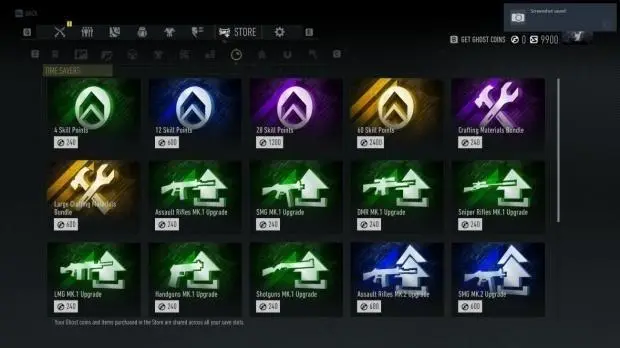
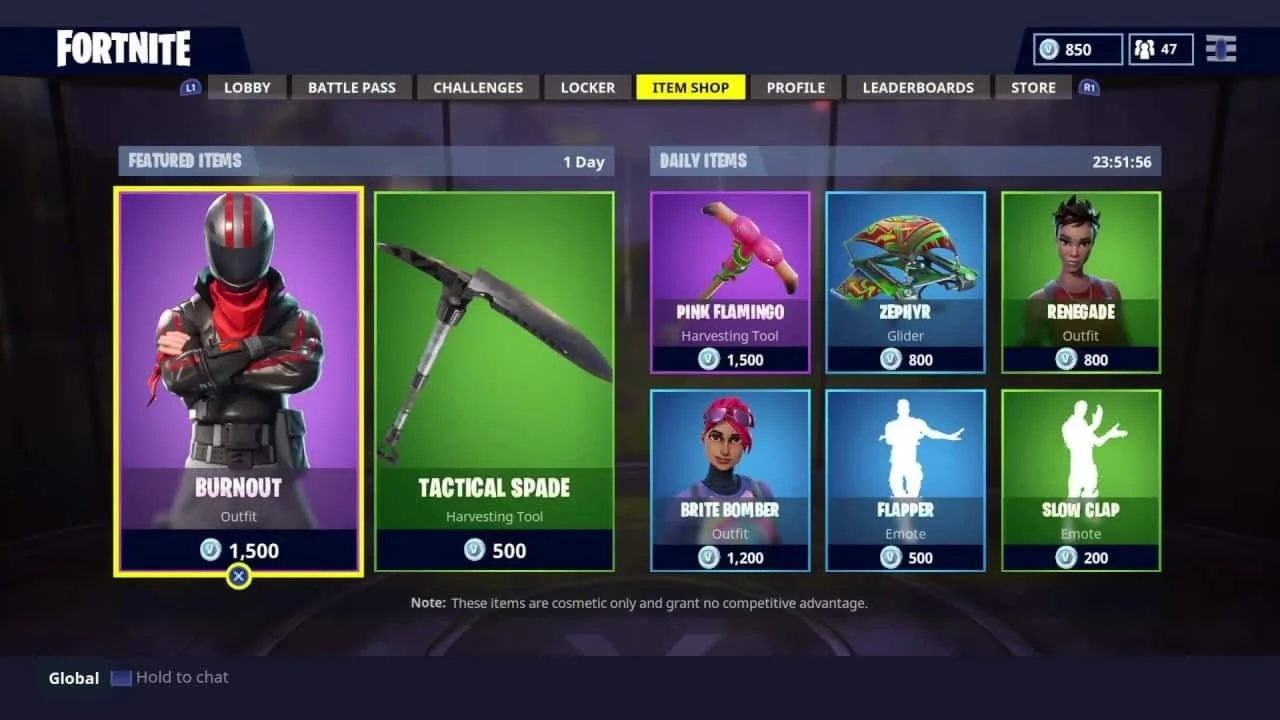
Only 25% of that $195 billion comes from new game purchases and subscription services combined. The remaining 75% is derived from in-game spending, including cosmetics, battle passes, loot boxes, and paid expansions. PC gaming microtransactions accounted for 58% of PC revenue in 2024, indicating a clear acceleration in live service monetization strategies across platforms.
Developer sentiment regarding these practices remains largely negative, with publishers like Ubisoft facing significant backlash for defending the model. Ahmad stated, "Microtransactions and DLC now account for 75% of everything gamers spend on game software each year, dwarfing what people pay for the games themselves." This data confirms that the financial core of the industry now relies heavily on recurring player engagement rather than initial sales alone.
The industry has structurally pivoted toward a model where ongoing digital content drives the majority of financial returns. Gamers now contribute more to the $195 billion sector through in-game purchases than through traditional software acquisition. This shift defines the current economic reality of the video game market.
Source: TweakTown