UHS-II microSD cards now cost roughly double the price of faster MicroSD Express models in Europe. This pricing shift affects gamers who rely on these storage formats for handheld consoles and laptops. The market has seen UHS-II prices climb steadily over the past year while MicroSD Express remains affordable. Consumers face a steep trade-off between legacy speed standards and modern capacity.
Storage prices shift as faster SD Express cards undercut legacy formats for handhelds
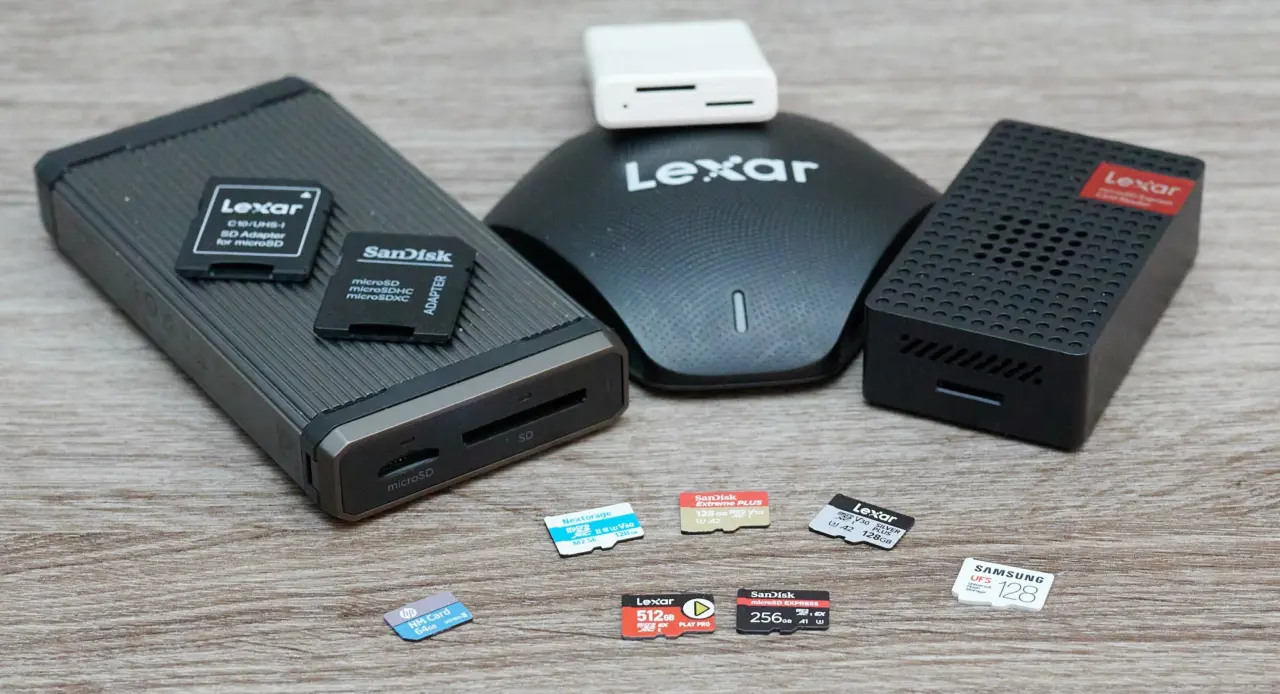
MicroSD Express cards deliver higher peak speeds but often fall back to slower UHS-I performance when used with older readers. These faster cards currently cost between 50 and 60 euros for 256 GB in the European market. Established models from SanDisk, Lexar, Sabrent, and Nexstorage dominate this segment. The price gap widens significantly when comparing these to UHS-II alternatives.
- UHS-II speed class: Exotic/legacy format
- MicroSD Express price (256 GB): €50–€60
- UHS-II card price (256 GB): €115–€130+
- SD Express reader availability: Very rare / sold out
UHS-II cards target devices that require sustained write speeds like the Acer Predator Atlas 8 handheld. These legacy cards cost between 115 and 130 euros for the same 256 GB capacity. Nexstorage charges about 120 euros while Lexar Professional Gold sits near 115 euros. Sabrent Rocket models run slightly above that threshold at roughly 120 euros.
SD Express readers remain rare and partially sold out across European retailers. Users with UHS-II readers cannot access the full speed of SD Express cards due to this hardware shortage. Compatibility mode forces these faster cards down to standard UHS-I speeds. The market offers about five cards in the higher price segment up to roughly 130 euros.
Fast UHS-I microSD cards from major manufacturers now match the price range of MicroSD Express models. SanDisk gamer cards with Nintendo branding sell at nearly identical prices to their faster counterparts. Retailers report stable inventory levels despite earlier supply concerns. Isolated reports from memory manufacturers indicate sufficient production batches for upcoming handheld releases.
More laptops and gaming devices appear ready to adopt SD Express slots in the near future. Asus supports SD Express across its newer hardware lineup while ADATA supplies full-size cards. Full-size SD Express readers will likely arrive later this year with UHS-II support built in. The AI-driven memory crisis continues to impact even basic storage formats like microSD.
Source: NotebookCheck