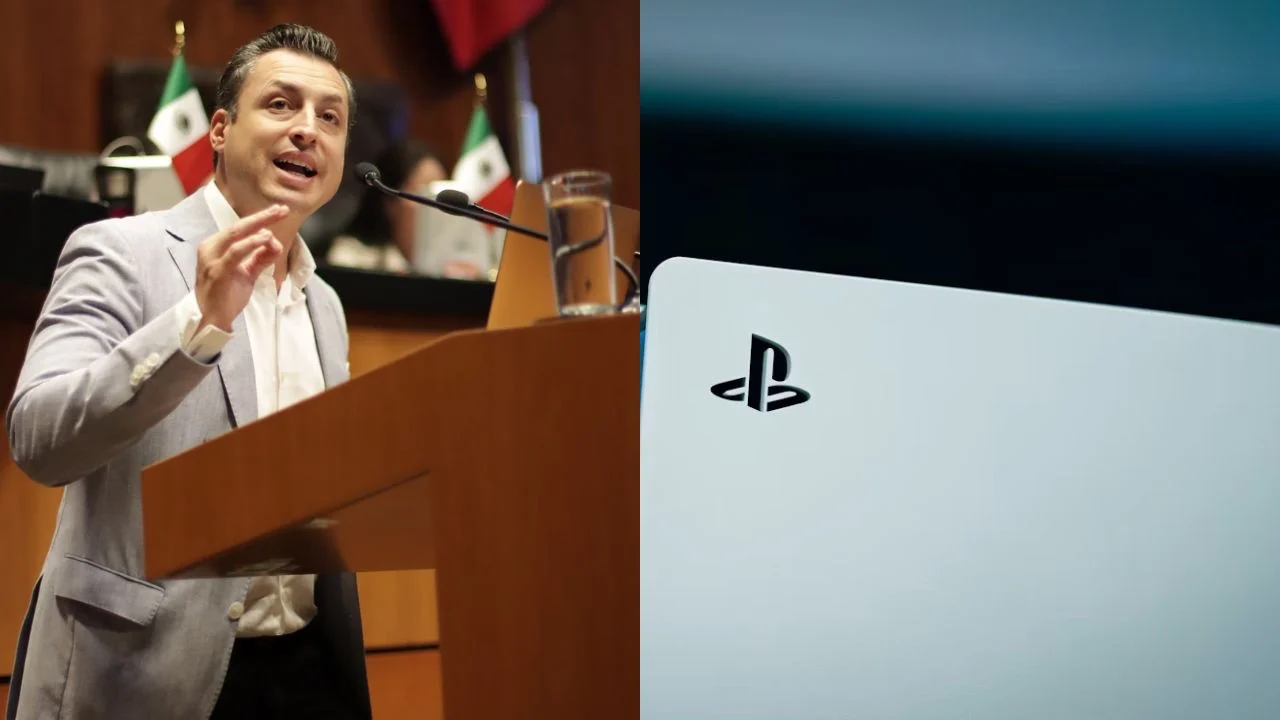
Mexican lawmakers are introducing a legislative initiative to clarify consumer rights for digital video games, addressing the confusion that arises when buyers pay full price but receive limited access. This proposal matters because it seeks to establish clear legal distinctions between owning a game and merely licensing it, a distinction that currently leaves players vulnerable to server shutdowns and arbitrary revocations. The initiative aims to protect consumers by ensuring that digital purchases carry enforceable rights, regardless of the platform's terms of service.
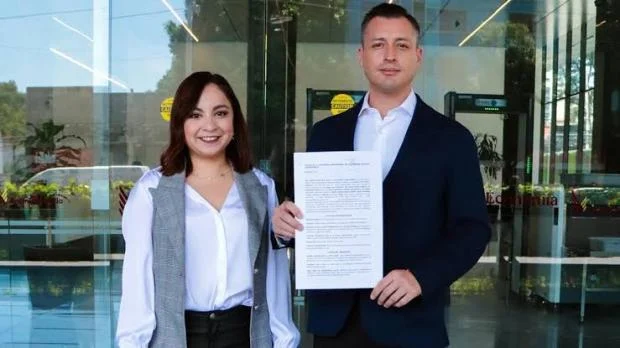
Legislative initiative targets foreign platforms selling digital content
The proposal was presented by Senator Luis Donaldo Colosio Riojas and Deputy Iraís Reyes as a consumer-protection measure for digital goods. It targets the practices of foreign platforms selling digital content in Mexico, requiring them to maintain a local address or legal representative within the country. The bill mandates that platforms clearly disclose whether a purchase grants ownership or a license before the transaction is completed. This transparency requirement is designed to prevent misleading marketing that obscures the true nature of the digital product.
Key technical and legal provisions in the bill include requirements for platforms to preserve game functionality if publisher servers shut down. The initiative treats digital license agreements as adhesion contracts, which means that revoking access without compensation would constitute a serious violation. Foreign companies operating in the Mexican market must comply with these local consumer protection standards. The legislation also follows a previous antitrust complaint against Sony regarding the phase-out of physical PlayStation discs, highlighting a broader trend in regulatory scrutiny.
The bill has not yet been officially assigned a number, and the final legislative text remains unconfirmed. There is no set timetable for a vote on the initiative at this time. Senator Luis Donaldo Colosio Riojas described the current state of digital ownership as a situation where consumers "pay as owners but receive rights similar to those of a tenant." This characterization underscores the core argument for the new legal framework. The proposal remains in its early stages as it navigates the legislative process.
Source: TweakTown


Discussion
0 comments