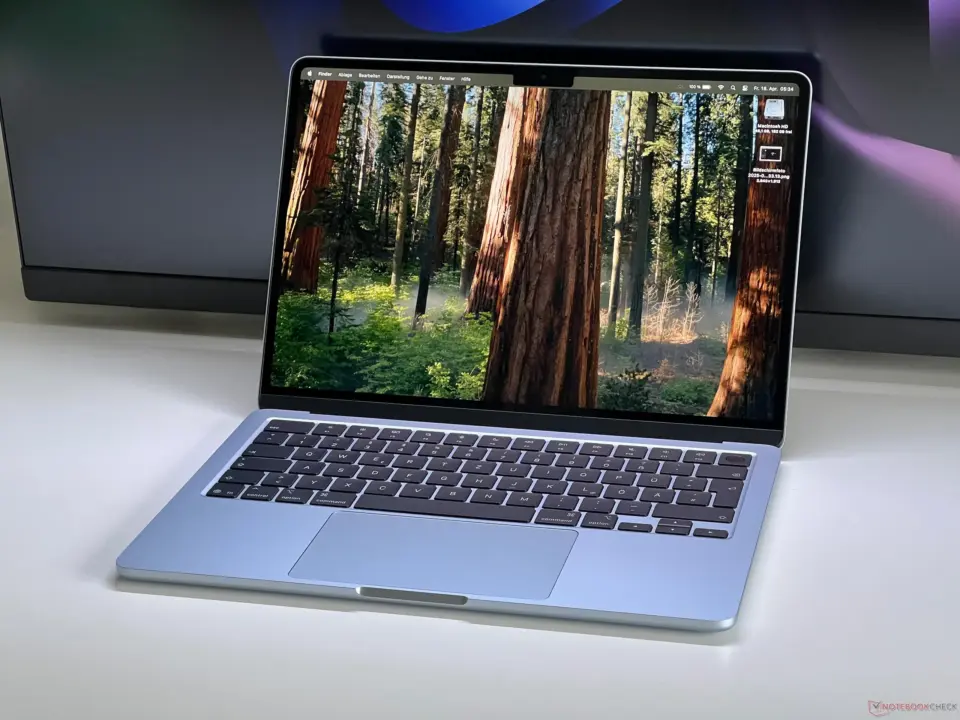
Apple's MacBook Air is facing a significant supply shortage that pushes delivery dates to the end of August for new orders. This delay matters because buyers who need a laptop immediately must look elsewhere or accept a long wait. Apple is actively steering customers toward the MacBook Pro to clear inventory ahead of a rumored M6 refresh. The shortage stems from a global DRAM and NAND supply crisis driven by AI data center demand.
Buyers face weeks-long delays and higher prices as Apple clears inventory
The MacBook Air lineup now includes the M5 model, which launched in March with a price increase. Apple raised the starting price to $1,099 for the M5 version, then increased it further to $1,299 in June. This pricing shift coincides with broader price hikes across Apple's hardware lineup. The MacBook Neo also saw its price rise to $699, while the iPad Air increased to $749.
- MacBook Air Starting Price (M5): $1,099
- MacBook Air Starting Price (Post-June Hike): $1,299
- MacBook Neo Starting Price: $699
- MacBook Pro Starting Price: $1,999
- iPad Air Starting Price: $749
Apple's marketing materials now carry a caveat reading "MacBook Air subject to availability." This disclaimer signals that stock levels are critically low and unpredictable. The company is prioritizing 14-inch MacBook Pro inventory clearance to make room for upcoming models. Some analysts forecast that constrained supply could persist into 2029 or 2030 due to ongoing component shortages.
The M6 refresh for the MacBook Air has been rumored to introduce touchscreen support, though Apple has not confirmed this. Apple's new Upgrade financing program with Klarna may further strain Mac demand by making purchases easier. We looked at MacBook Air closely — see our earlier coverage on Developer Unlocks Local AI Training on.
Buyers can currently order the MacBook Air, but they should expect delays until the end of August. The base model starts at $1,299, reflecting the recent price adjustments. Apple is using the shortage to push sales toward the MacBook Pro, which starts at $1,999. This strategy clears older stock while managing limited component availability.
Source: NotebookCheck