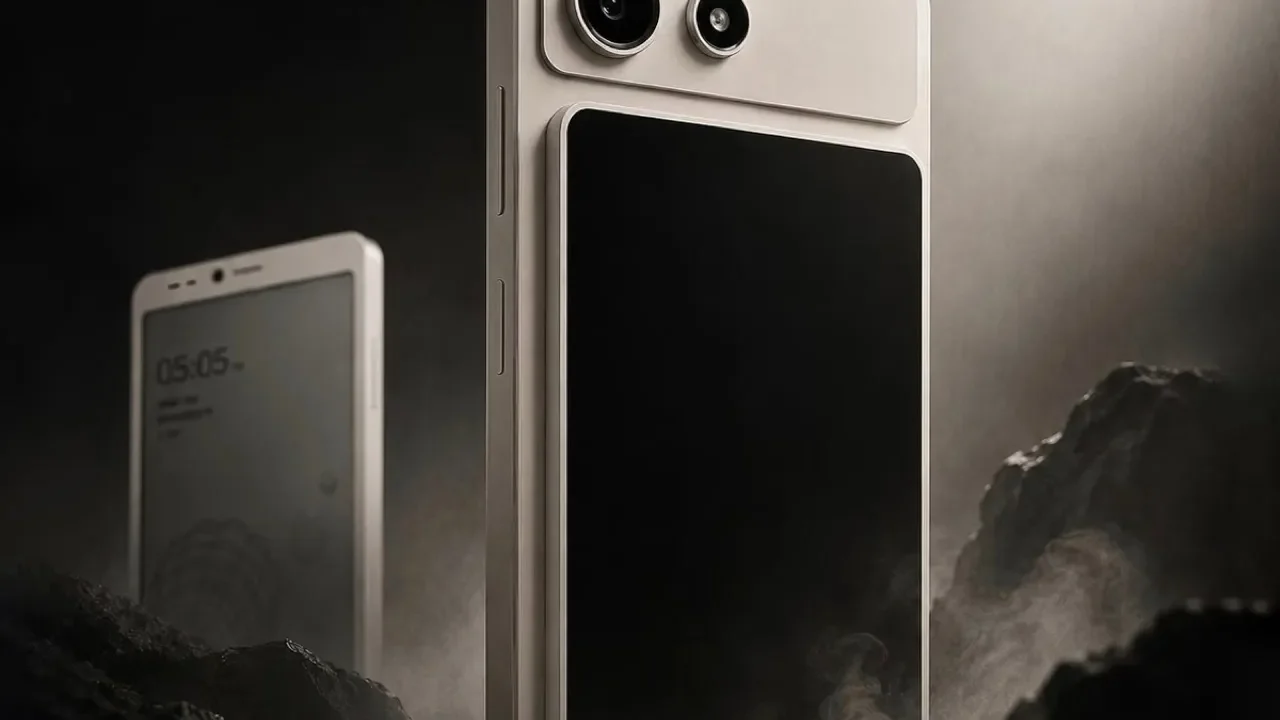
Hisense is challenging the standard smartphone form factor with the A10, a device designed to reduce eye strain and screen time by defaulting to an E Ink display. This modular approach matters because it offers a practical alternative for users who want to minimize digital distraction without abandoning the utility of a smartphone. The device shifts the primary interface to a monochrome screen, reserving color and high-refresh-rate content for when it is actively needed.
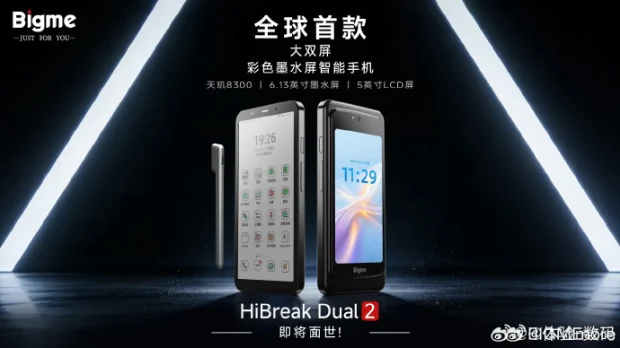
Modular design targets users seeking reduced screen time
The core of the A10 is a 6.13-inch E Ink panel that serves as the main display for reading and basic navigation. Hisense has equipped this base unit with a magnetic attachment point on the rear, allowing users to snap on a secondary color LCD screen. This detachable color display provides the necessary interface for video playback, gaming, and complex applications that require color and motion.
Specifications
- Main Display: 6.13-inch E Ink
- Secondary Display: Detachable color LCD screen
- Launch Price: $600
- Launch Region: China
Technical details highlight the separation of duties between the two screens, with the E Ink panel handling low-power tasks and the LCD providing rich media capabilities. The manufacturer has not yet explained the specific mechanism by which the two screens communicate or synchronize data. Hisense has not explained how the two screens communicate, leaving questions open regarding latency and power management when the secondary screen is attached.
The A10 is launching in China for approximately $600, a price point that positions it as a niche device for specific use cases. Reports citing an unnamed insider suggest that the detachable magnetic color screen might be sold separately from the base phone. It remains unclear if or when the device will reach the US market, limiting immediate availability for Western consumers.
Hisense has confirmed the A10 is targeting users seeking reduced screen time and eye strain through its modular design. The company has not provided a specific launch date beyond the regional availability in China. The device targets users seeking reduced screen time and eye strain, although the full feature set and ecosystem remain partially undefined.
Source: TweakTown