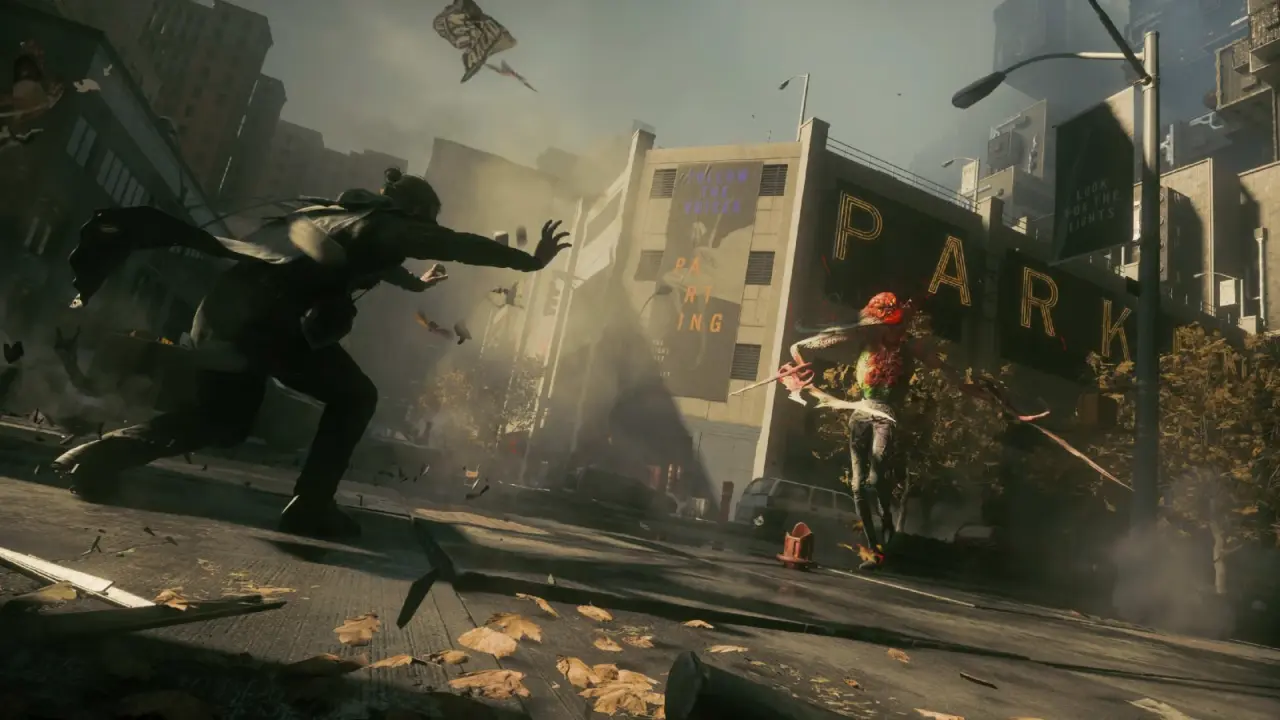
Control Resonant strips away the standard navigation aids that have become ubiquitous in modern action games, forcing players to rely on observation rather than instruction. This design choice matters because it shifts the burden of discovery entirely onto the player, creating a more immersive but potentially confusing experience for those accustomed to guided paths. We have been tracking Control Resonant closely, and this approach marks a distinct departure from the hand-holding seen in recent industry titles.
Remedy Entertainment strips navigation aids to force player autonomy
Remedy Entertainment deliberately removed overt guidance systems, such as yellow paint trails or 'Thought Trail' markers, from the game's environment. Director Mikael Kasurinen argues that player autonomy is central to the experience, stating that players should feel they are the ones figuring out the world. This philosophy stands in sharp contrast to recent titles like Marvel's Wolverine, which faced significant criticism for its heavy-handed navigation mechanics.
The game relies on environmental storytelling and visual cues to direct attention, rather than explicit on-screen prompts. Kasurinen acknowledges that this design is risky and can alienate players who find the initial experience impenetrable or frustrating. The team accepts this trade-off, prioritizing a sense of genuine agency over accessibility and ease of navigation.
The goal is to make players feel they are making genuine choices rather than following predetermined instructions laid out by the developers. Kasurinen explained that the design avoids telling players what to do, allowing them to feel like the decision-makers in the game. This approach aims to create a deeper connection between the player and the game world through self-directed exploration.
Source: DEXERTO


Discussion
0 comments