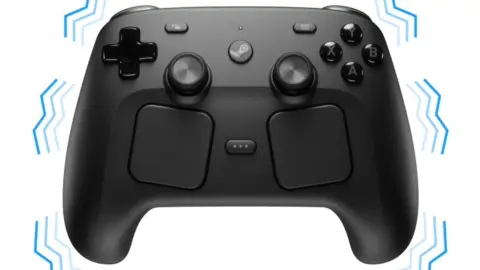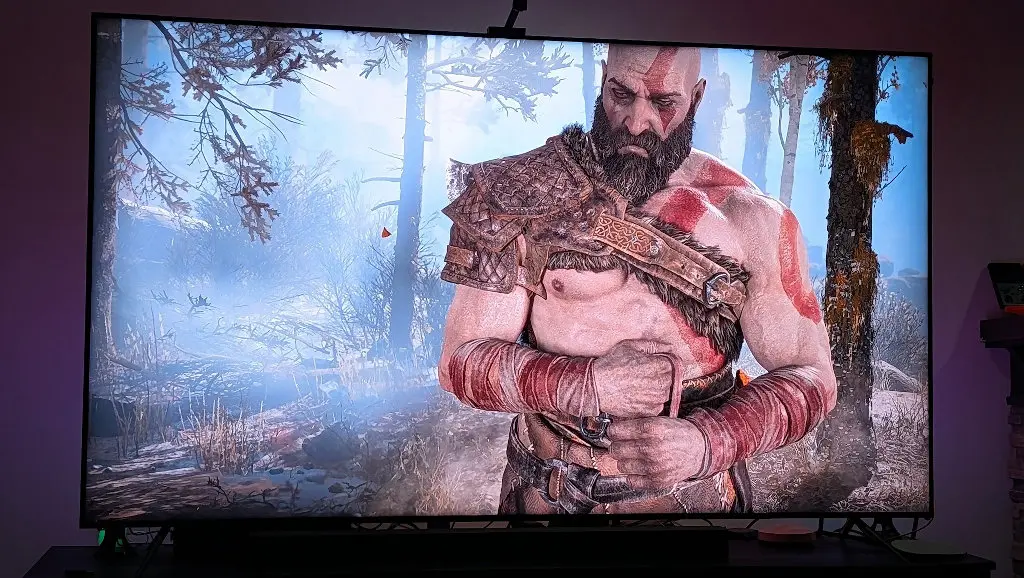
Commercial gaming hardware prices have climbed well beyond what most casual players can afford, leaving a gap for budget-conscious buyers. The AMD BC-250 project fills that void by repurposing surplus enterprise mining boards into functional Steam Machines. This approach offers a viable path for enthusiasts to build a console-like gaming PC without paying premium retail markups. It directly addresses the affordability crisis in the current gaming market by leveraging discarded industrial components.
Surplus mining hardware delivers console performance for budget gamers
The core of this build relies on the AMD BC-250, a board originally designed for cryptocurrency mining operations. It shares its internal architecture with the PlayStation 5, featuring a six-core, twelve-thread AMD Zen 2 processor running at approximately 3.5 GHz. Graphics processing is handled by 24 compute units of RDNA 2 architecture clocked at roughly 2000 MHz. This hardware configuration provides enough power to run modern AAA titles natively while holding its own against contemporary console standards.
AMD BC-250 Specifications
- CPU: 6-Core / 12-Thread AMD Zen 2 @ ~3.5 GHz
- GPU: 24 Compute Units RDNA 2 @ ~2000 MHz
- RAM: 16GB GDDR6 Unified RAM (256-bit bus, 448 GB/s)
- Ports: 1x DisplayPort 1.4, 1x GbE LAN, 2x USB 3.0, 2x USB 2.0
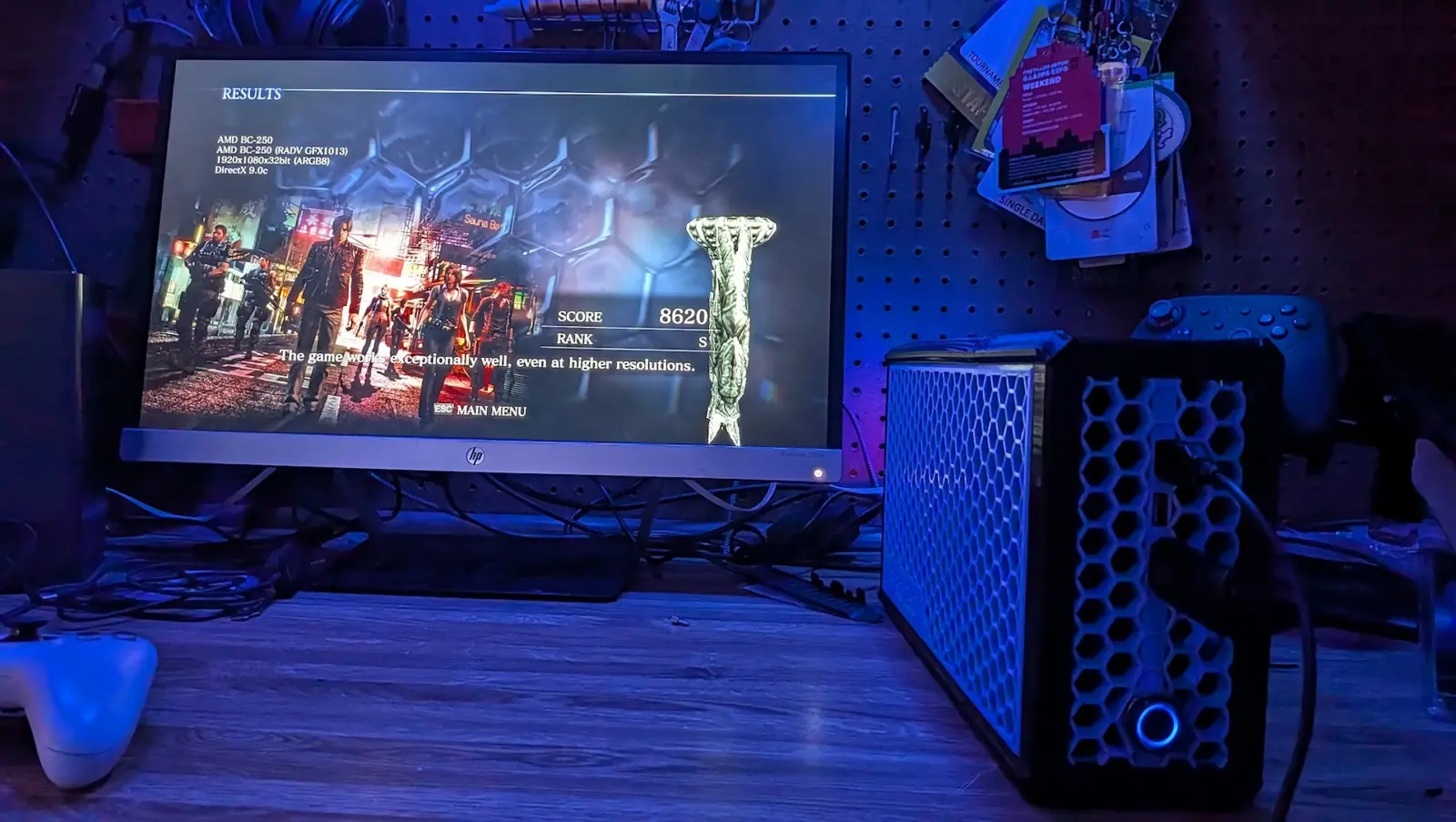
Memory and connectivity specs match the console tier expectations for a compact gaming rig. The system utilizes 16GB of GDDR6 unified RAM with a 256-bit bus capable of delivering 448 GB/s of bandwidth. Physical connectivity includes one DisplayPort 1.4 output, a Gigabit Ethernet port, two USB 3.0 ports, and two USB 2.0 ports. Builders must account for the enterprise form factor by designing custom cooling solutions and 3D-printed enclosures to fit the hardware into a console-sized chassis.
Software compatibility centers on Bazzite Linux, which serves as a robust alternative to SteamOS for this DIY platform. The system maintains temperatures within safe operating parameters during eight-hour heavy loads and extended gaming sessions. Community builders estimate the total cost of such a build at approximately $300, significantly undercutting commercial Steam Machine prices. The hardware itself is available for around $204, making the entry price for this DIY project highly competitive.
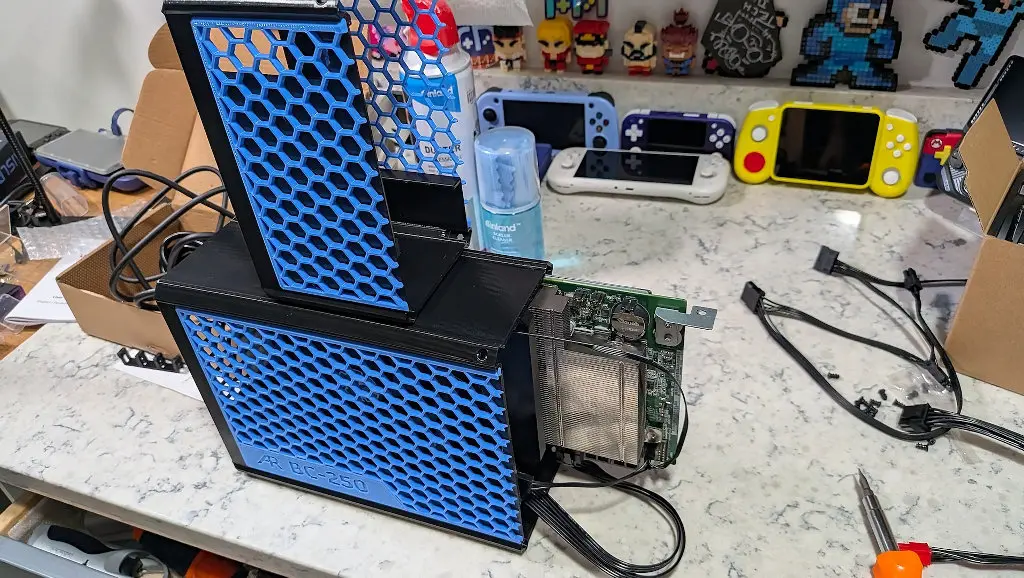
This project demonstrates how the enthusiast community can bypass inflated industry costs through self-reliance and surplus sourcing. The BC-250 proves that repurposed mining hardware can deliver a legitimate, high-performance gaming experience. Buyers looking for a quiet, compact, and affordable Steam Machine can replicate this build using current market prices for these components.


Source: RetroHandhelds