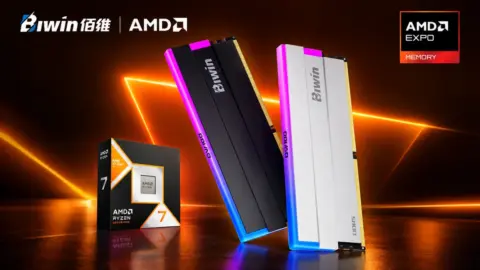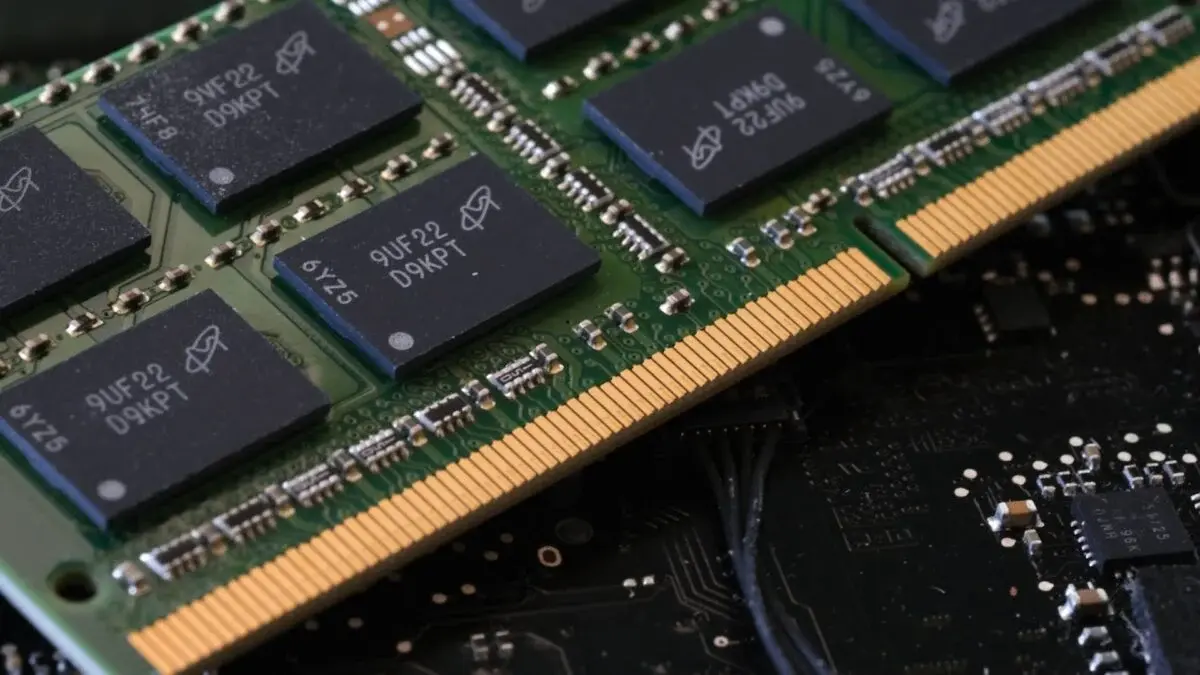
AMD warns that DDR5 memory prices will remain elevated for approximately two years, with a meaningful market recovery not expected until 2028. The chipmaker attributes this prolonged shortage to artificial intelligence demand pulling manufacturing capacity away from consumer components toward high-bandwidth memory. This shift directly impacts desktop and laptop buyers who rely on standard system RAM.
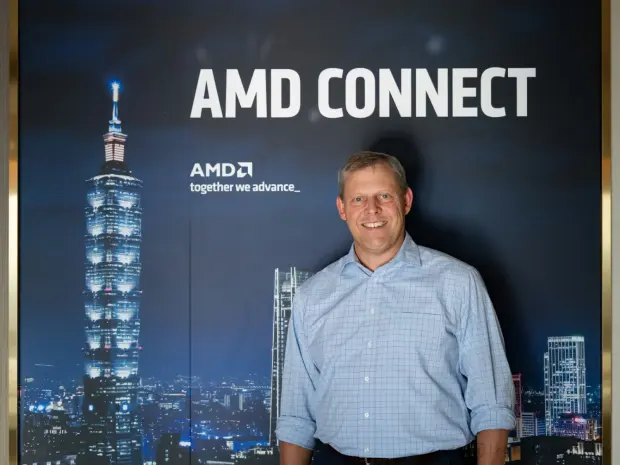
AI demand shifts manufacturing capacity away from consumer RAM modules
The pricing pressure affects mainstream modules across all major brands, though specific retail examples highlight the severity of the trend. A 32GB Corsair Vengeance RGB DDR5-6000 kit that cost around $100 in late 2025 is now selling for around $440. This fourfold increase demonstrates how quickly supply constraints can translate into consumer costs.
Manufacturers face a difficult balancing act as they try to meet both AI server requirements and traditional PC building needs. Samsung, Micron, and CXMT are expanding DDR5 production capacity, but new facilities take years to build. The long lead times for semiconductor fabrication mean that current demand spikes will likely persist through the next few product cycles.
DDR4 production capacity has declined as manufacturers shifted investment heavily toward DDR5. This transition leaves fewer resources available for legacy components while simultaneously straining the newer standard. AMD is evaluating whether the AM5 platform can support DDR6 and PCIe 6.0 before committing to a socket change, which could further influence memory purchasing decisions.
David McAfee told 4Gamers during Computex 2026 that DDR5 memory prices are not expected to return to normal levels for around two years, putting any meaningful recovery around 2028. The statement reflects industry-wide concerns about supply chain allocation rather than a temporary market fluctuation. Buyers planning upgrades should expect sustained premium pricing until new fabrication capacity comes online.
The prolonged high cost of DDR5 modules creates a challenging environment for PC builders and system integrators. AMD's warning highlights the ongoing tension between AI-driven server demand and consumer hardware affordability. System manufacturers must navigate these supply constraints while maintaining competitive product offerings.
Source: TweakTown