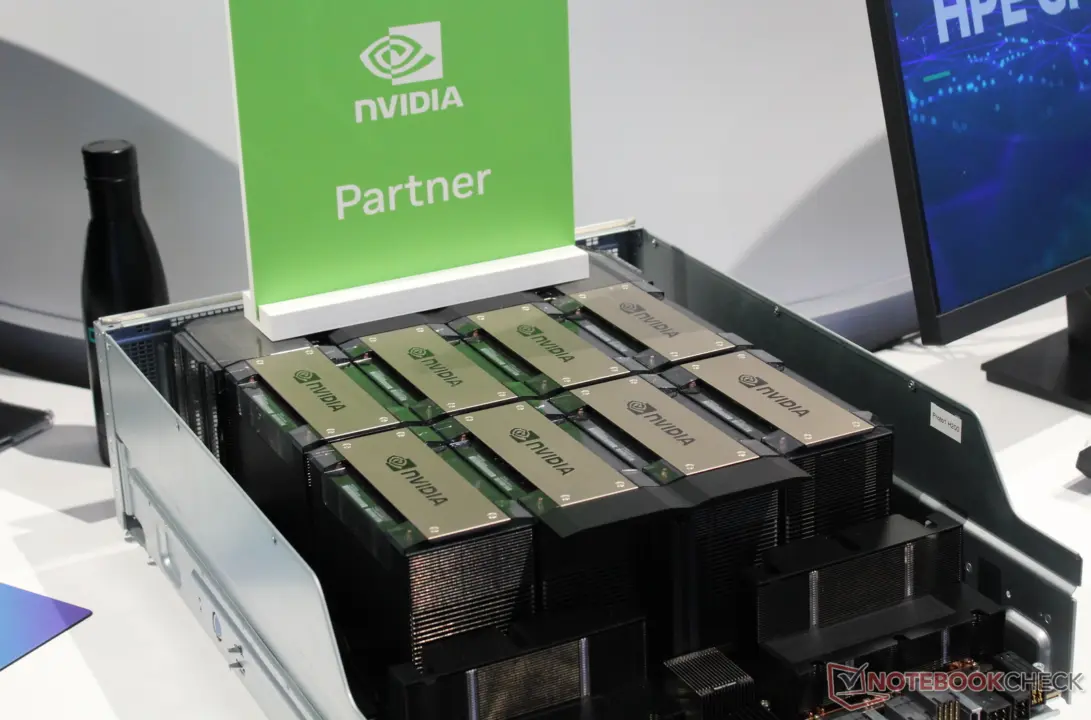
Nvidia is changing its money-making strategy in AI hardware sales which will have an impact on how the company navigates risk management with cloud providers. This change in corporate policy won't lead to cheaper graphics cards in consumer space anytime soon. As a PC hardware consumer, expect high prices for GeForce GPUs to continue. The gaming hardware and AI hardware have completely different supply chains.
Separate supply chains for HBM and GDDR memory prevent AI slowdown from boosting consumer GPU availability
The company is reducing the circular funding model of AI startups and cloud providers. The previous CEO Jensen Huang was more interested in making sure there is high demand for server accelerators, while the interim CEO Colette Kress was more interested in minimizing financial risk. The financial stability is more important to the company than aggressive sales approach in data center.
Gaming GPUs and AI accelerators have different components and manufacturing. Server chips are made with high bandwidth memory, while gaming graphics cards are based on regular GDDR memory. Since the supply chains are completely different, lack of AI demand doesn't necessarily mean we have more resources for consumer graphics cards.
When it comes to semiconductor manufacturing, lead times are long, around 6 months just for silicon wafers. Then there's procurement of memory and final assembly. This makes it highly unlikely that we'll see affordable GeForce cards in 2027 with the existing contracts and manufacturing limitations.
The change in AI funding strategy is an indication that the company has changed its corporate priorities. This financial change won't make prices lower and increase supply for gaming hardware. The company will still be focused on risk management in data center while doing its own thing in consumer space.
Source: NotebookCheck
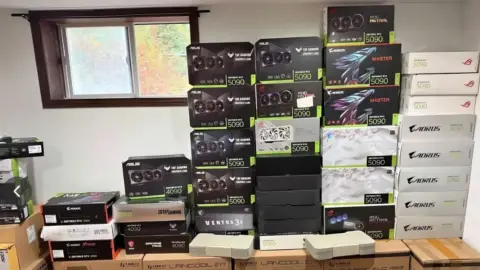
Prices stay high. The supply chains for HBM and GDDR are totally separate. AI slowdown does not mean more gaming GPUs.