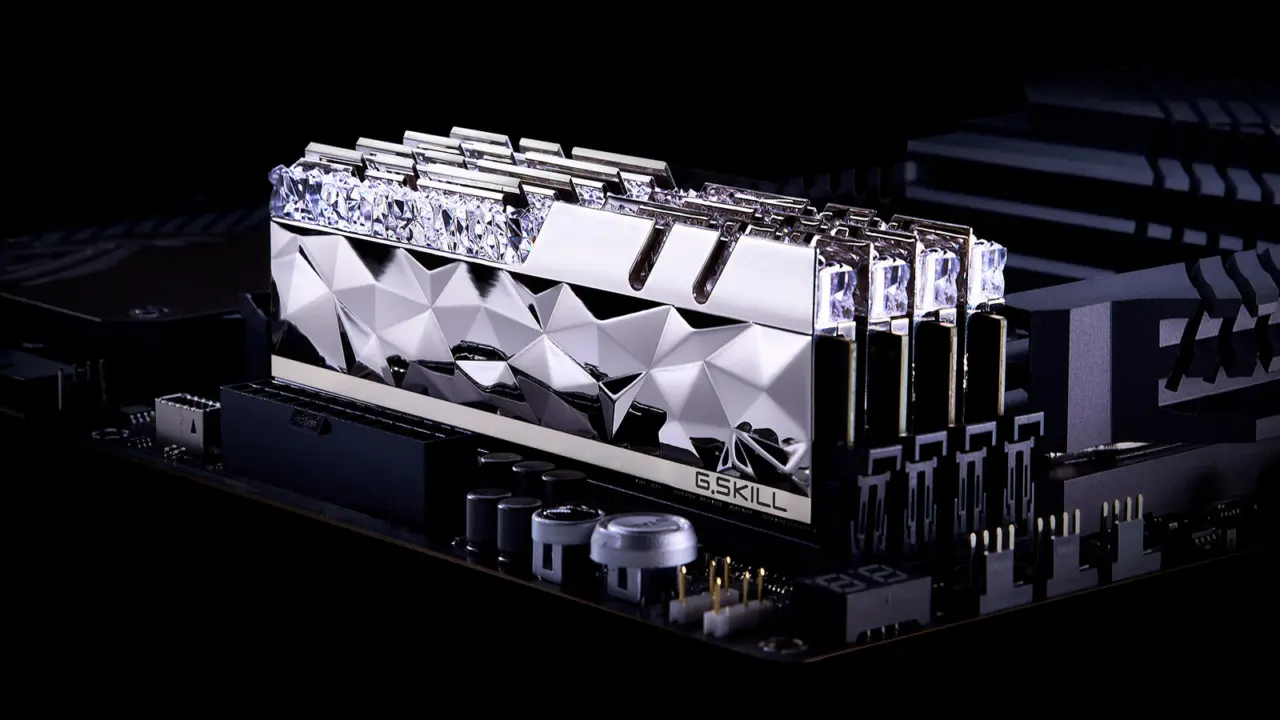
After several months of sharp upticks in DDR4 spot prices, we finally see a downward trend that gives some hope to the penny-pinchers that got locked out of the PC upgrade market. This bodes well for those hoping that the recent DRAM price spikes have plateaued, which should bring some good news to consumers who are looking to upgrade their legacy hardware or put together a low-budget PC. Retailers are currently concerned with clearing out their current stock as consumers respond poorly to the previous price points (owing to inflation).
DDR4 and DDR3 spot prices decline while DDR5 contract hikes slow, easing budget PC build costs
TrendForce market analysts are pointing at several key factors that have led to the new dynamics in the memory market. The primary culprit for lack of demand clarity is the geopolitics of the US data center policies and the falling demand from Chinese cloud providers. This is part of the macroeconomic ramifications that are now affecting the consumer memory sector (which has had very little respite till now).
We are observing price dynamics that diverge with different generations of memory. DDR4 and DDR3 spot prices are showing a downtrend. However, DDR5 contract prices are projected to see upticks, albeit to a lesser extent.
As a result, those who have access to DDR4-based hardware can expect better price points in the near future for upgrades or new hardware. However, the newer platforms may still suffer on the price front.
Manufacturers are responding to this new demand dynamic by adapting their manufacturing strategy. Leading players like Samsung, SK hynix and Micron are moving their manufacturing to HBM for AI use cases. Players in the lower rungs like Winbond and Nanya are taking care of the gaps in the consumer market. This indicates that while we can expect a concentration of HBM memory for higher end AI hardware, consumer DRAM production is expected to see substantial growth in 2027 (even as production will be less than that seen in 2024).
Finally, TrendForce has revised its projected DRAM contract price uptick predictions for 2027 which indicate a more stable market environment in the near future. This is an indication that the market is realizing that the recent high uptick in prices is not sustainable. Consumers can expect a more predictable memory cost structure with the balance between AI demand and traditional computing needs.
Source: NotebookCheck

Discussion
0 comments