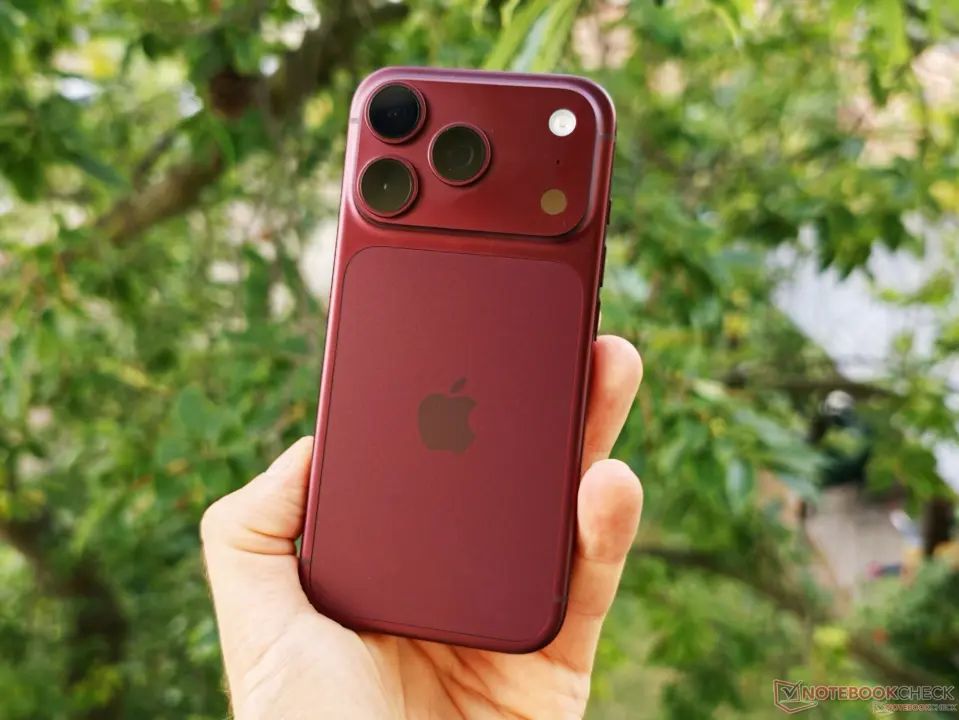
The iPhone 18 Pro introduces a significant tradeoff for photographers who prefer manual control over their shots. Users who switch to Pro Mode and set a custom shutter speed will see a noticeable drop in image quality. This change matters because it forces a choice between precise exposure timing and the camera's advanced computational photography features.
Manual shutter speed settings disable night mode and frame stacking on the device
Apple equips the iPhone 18 Pro with a 48-megapixel main camera and a variable aperture that adjusts from f/1.5 to f/4.0. The device also supports Pro Mode, which allows users to manually adjust settings like shutter speed and aperture. This mode is designed for users who want direct control over the image capture process rather than relying on automatic processing.
Testing by DPReview reveals that disabling automatic shutter speed control stops the iPhone from combining multiple images in rapid succession. This technique, known as frame stacking, is essential for achieving better image quality in low-light conditions. When frame stacking is disabled, the camera processes only a single exposure, which leads to darker photos with significantly more image noise.
The degradation in image quality is particularly pronounced during night photography. Night Mode cannot be activated at all when the shutter speed is set manually, further limiting low-light performance in Pro Mode. While adjusting the aperture manually does not significantly impact the core image processing pipeline, the loss of frame stacking remains a critical factor for image clarity.
We have been tracking iPhone 18 Pro closely and previously covered the ShiftCam and Apple Unveil ProRig for the device. That hardware accessory launched on Kickstarter on October 23, highlighting the growing ecosystem around this specific model. The current findings suggest that manual camera controls on the iPhone 18 Pro require careful consideration of lighting conditions.
The iPhone 18 Pro offers a 48-megapixel camera with variable aperture and Pro Mode for manual control. However, manual shutter speed settings disable frame stacking and Night Mode, resulting in darker and noisier images. Photographers should weigh the benefits of manual exposure control against the loss of computational photography enhancements.
Source: NotebookCheck

Discussion
0 comments