MSI is facing renewed scrutiny over the durability of its QD-OLED gaming monitors after a long-term stress test revealed significant image retention. The findings matter to buyers because they challenge the assumption that OLED panels remain pristine during extended daily use. This update provides concrete data on how static content affects panel longevity over a year and a half.
Test reveals significant brightness drop and color shift after 30 months
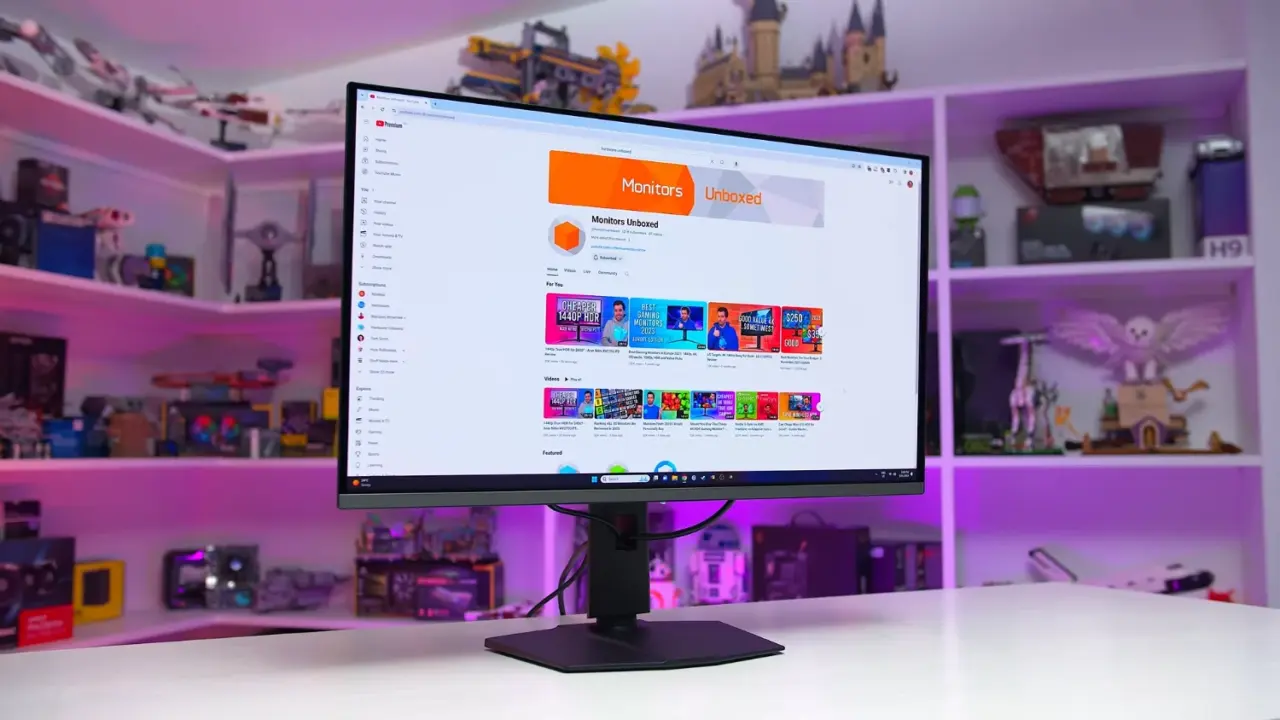
The subject of the test is the MSI 321URX QD-OLED monitor, which underwent a rigorous 30-month evaluation by the YouTube channel Monitors Unboxed. The channel logged 8000 hours of continuous operation to simulate extreme usage scenarios. This specific model serves as the hardware baseline for the observed degradation metrics.
Specifications
- Panel Type: QD-OLED
- Test Duration: 8000 hours (30 months)
- Brightness Degradation: 243 nits to 231 nits
- Color Temperature Shift: 6441K to 6292K
- Burn-in Location: Taskbar area and center screen line
Technical measurements show the panel brightness dropped from 243 nits to 231 nits over the test period. Color temperature also shifted, moving from 6441K down to 6292K. These changes indicate that the organic materials in the QD-OLED panel degrade noticeably under heavy static content loads.
Visual artifacts appeared in two primary areas: the bottom taskbar region and a horizontal line across the center of the screen. The center burn-in resulted from side-by-side window usage, which is common in productivity workflows. Monitors Unboxed described the central artifact as "genuinely annoying" during daily operations. Green subpixels showed uneven wear compared to red and blue diodes.
The test methodology involved heavy productivity work rather than typical gaming sessions. The channel ran static content for eight hours a day, seven days a week, with a two-hour sleep delay. This usage pattern may not reflect the experience of users who switch between dynamic game content regularly. Results could vary significantly for buyers who do not maintain such strict static display habits.
Source: TweakTown