
Microsoft is returning to year-over-year growth for the Xbox division after a period of restructuring and decline. This shift signals a renewed commitment to core gaming hardware and software, which matters to buyers waiting for the next generation of consoles. The company is simplifying its approach to ensure the current platform serves its most valuable players effectively before expanding further.
Microsoft plans portable hardware and unified APIs for next-gen Xbox Helix family
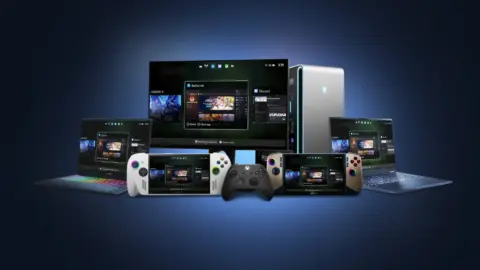
Xbox CEO Asha Sharma outlined a strategy built around four pillars: Core, Content, Creation, and Connection. She emphasized that the division will prioritize reinvestment in consoles despite a stagnant overall market. The company plans to release the next-generation Xbox, internally codenamed Helix, as a family of devices rather than a single console.
The Helix strategy includes portable hardware to address players who are often on the go. Microsoft intends to simplify publishing targets and APIs to make it easier for developers to release games across Xbox Series X|S, Helix, and PC. This unified approach aims to reduce fragmentation for creators and players alike.
The company also plans to expand the Battle.net platform and continue investing in competing storefronts like Steam. This move suggests a broader ecosystem strategy that extends beyond traditional console exclusivity. It reflects a pragmatic approach to reaching audiences where they already play.
When we covered the last Xbox update, several of the same balance and stability themes came up. The current strategy builds on those earlier adjustments by focusing on a cohesive device family. Microsoft is moving away from a single-device model to one that fits all types of gamers.
Microsoft confirmed it will certainly have a great console first before rolling out the full family of devices. The company stated it does not have the right to grow beyond console if it cannot serve its most valuable players the right way. This confirms that the traditional home console remains the foundation of the next generation.
Source: NotebookCheck


Discussion
0 comments