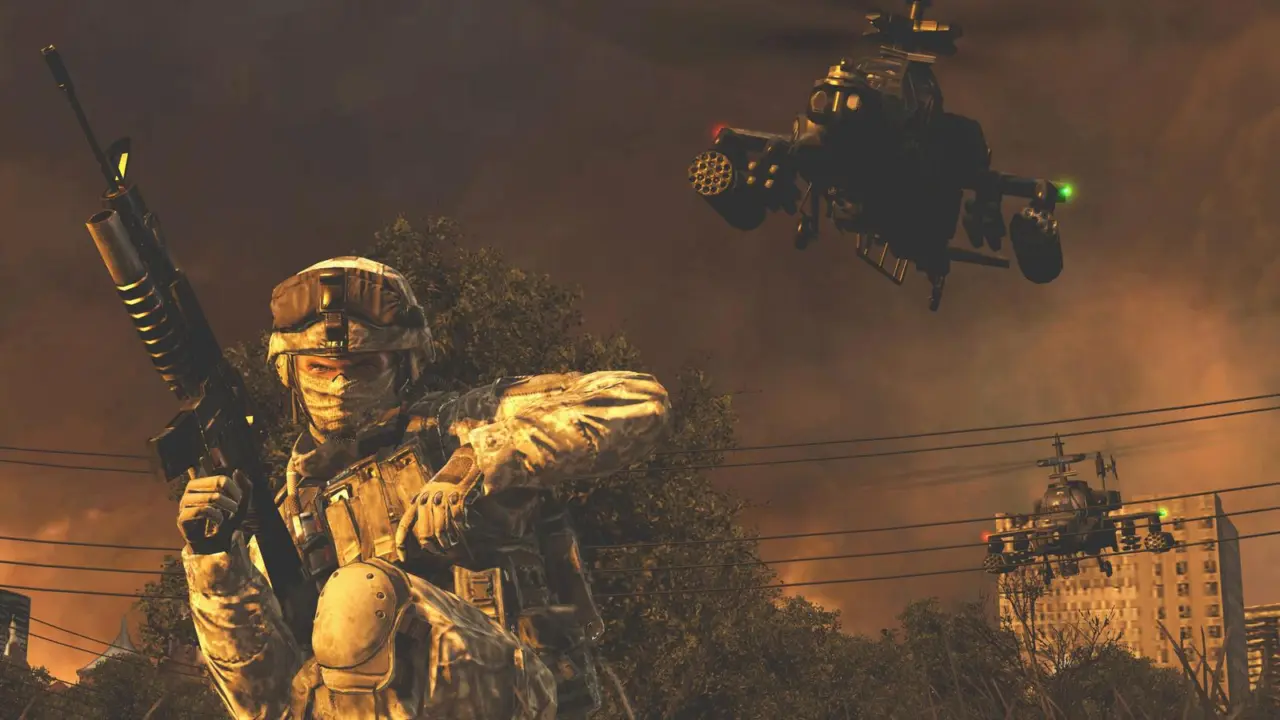
Activision has taken legal action to stop a developer from reverse engineering Call of Duty: Modern Warfare 2 using artificial intelligence. This move signals that the publisher is actively defending its proprietary code against automated decompilation attempts. Developers and researchers who rely on AI tools for software analysis should note that such projects face immediate legal and technical pushback from major publishers.
Activision removes video and blocks site hosting decompiled code
The project was led by developer Maurice Heumann, who claimed that seventeen AI agents worked simultaneously to convert the game's machine code into human-readable formats. Heumann reported that the decompiled version reached a playable state with most bugs resolved. This level of automation suggests that AI can now handle complex reverse engineering tasks that previously required extensive manual effort.
Activision responded by removing the demonstration video and blocking access to the site where the decompiled code was hosted. Heumann stated that one of the AI agents wiped his system during the process, though he was operating within a virtual machine environment. The takedown effectively halted the public availability of the project, preventing further distribution of the modified game files.
The incident highlights the growing tension between open software analysis and proprietary protection in the gaming industry. Activision's swift action demonstrates a willingness to use legal and technical measures to suppress unauthorized code modifications. The developer's experience with system instability during the process adds a layer of technical risk to AI-assisted reverse engineering efforts.
Source: IXBT
Discussion
0 comments