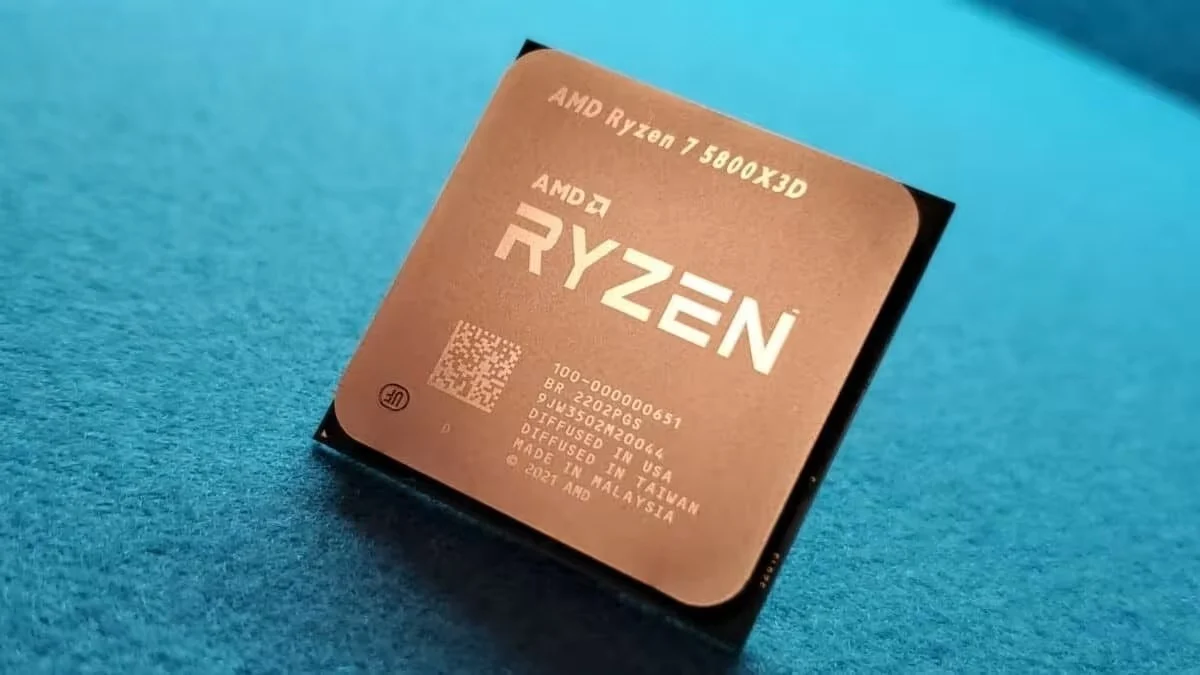
Buying a used AMD Ryzen 7 5800X3D processor in Germany carries a hidden risk that extends beyond typical second-hand hardware wear. A recent incident shows that a previous owner's cheating violation can permanently lock a new buyer out of playing Valorant. This situation highlights how Riot Games' anti-cheat system ties bans to specific physical components rather than just user accounts. Gamers purchasing pre-owned CPUs must now verify the hardware's clean status before investing in a popular tactical shooter.
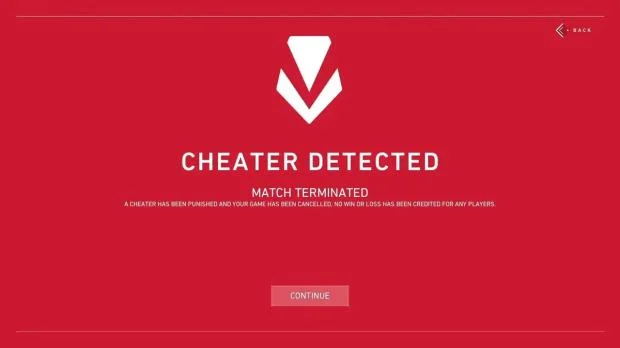
Riot Vanguard bans last four months
The controversy centers on Riot Vanguard, the anti-cheat software used in Valorant, which implements hardware bans to prevent cheaters from simply creating new accounts. When a player violates the code of conduct, Vanguard flags the unique identifiers of the components involved in the cheating session. In this specific case, the ban was attached to the CPU of the previous owner, effectively rendering that processor unusable for the game. The system does not ban the entire computer but targets the specific hardware piece where the infraction occurred.
A Redditor in Germany purchased a used Ryzen 7 5800X3D and immediately found themselves locked out of Valorant due to this lingering ban. The original ban was issued to the previous owner on August 12 for cheating, and the restriction remains active until it expires. Riot Vanguard hardware bans last for a maximum of four months, meaning this specific CPU ban should expire around mid-December. The buyer faced an initial refusal from Riot support to manually remove the ban, leaving them stuck with a processor that cannot run the game.
Phillip Koskinas, Riot Games' anti-cheat boss, clarified that these bans are game-specific and do not blacklist other PC components like motherboards or storage drives. He stated that the system only bans the game in which cheats were detected and does not ban everything else when matching one component. This clarification contradicts earlier claims that the buyer's entire PC setup was blacklisted. The incident serves as a practical reminder for the secondary market that digital penalties can outlast the original owner's access to the hardware.
Source: TweakTown

Discussion
0 comments