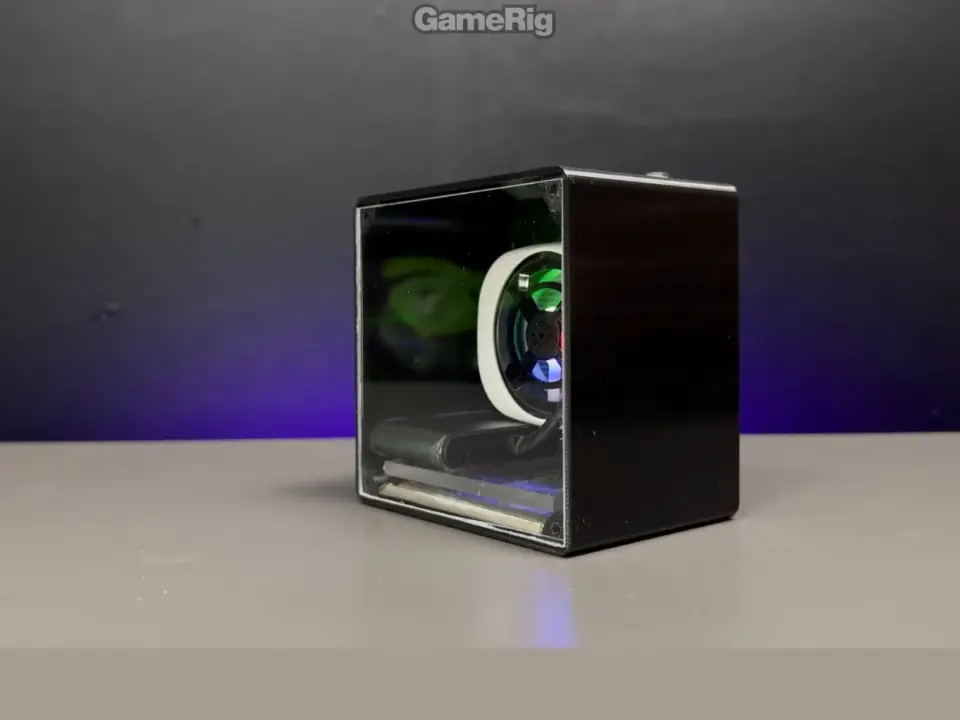
A broken Samsung Galaxy A90 5G now serves as the foundation for a functional desktop computer. This modification demonstrates that older smartphone hardware can retain significant utility beyond its original mobile purpose. Users interested in low-cost computing projects can repurpose discarded devices instead of buying new components. The project highlights a practical way to extend the lifecycle of electronic waste into useful office equipment.
GameRig converts broken phone into compact desktop with thermal warnings
The build centers on the Samsung Galaxy A90 5G, which contains a Snapdragon 855 system-on-chip. This processor sits on a 7-nanometer process and supports the Samsung DeX desktop interface. DeX allows the phone to output video to a monitor and accept input from a keyboard and mouse. The device originally shipped with 6 GB of RAM and 128 GB of storage, providing ample resources for basic desktop tasks.
Specifications
- SoC: Snapdragon 855
- Process Node: 7-nanometer
- RAM/Storage: 6/128 GB
- Chassis Volume: 0.7-liter
- Purchase Price: $30
GameRig constructed a custom 0.7-liter chassis using 3D printing technology to house the internal components. The enclosure holds the motherboard, power board, battery, a dedicated phone cooler, and a USB hub. The builder purchased the donor phone on eBay for $30, keeping the material costs extremely low. The compact design integrates all necessary hardware into a single small footprint.
Performance testing showed the mini PC managed over 400 fps while running Minecraft. This frame rate indicates strong gaming capability for a device of this size. However, viewers criticized the heat management because the sealed chassis lacks airflow holes. Others pointed out potential safety risks from housing the battery inside such a tight compartment without ventilation.
This project proves that a $30 smartphone can function as a capable mini PC with the right modifications. The build offers a viable path for users seeking affordable computing solutions. It also raises important questions about thermal safety in enclosed battery-powered devices. The experiment confirms that smartphone SoCs remain powerful enough for desktop workloads.
Source: NotebookCheck

Discussion
0 comments