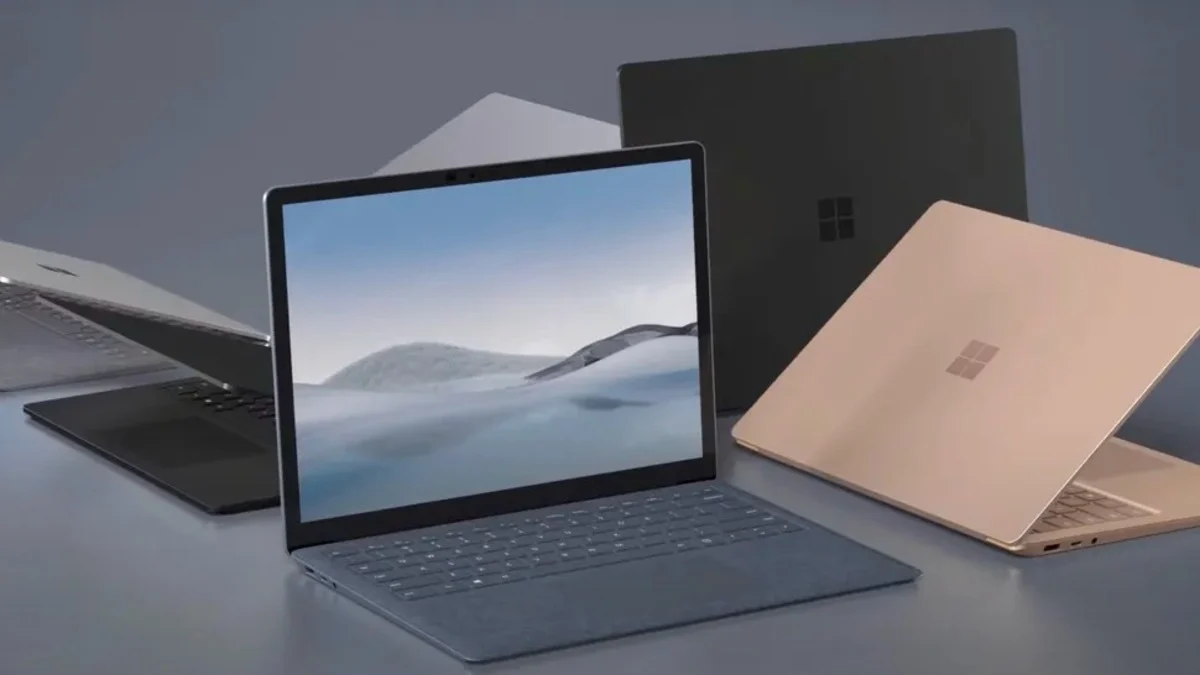
Microsoft has clarified why AMD processors are absent from its current Surface laptop lineup. The decision stems from a limited product portfolio rather than any technical deficiency with AMD silicon. This distinction matters because it confirms that Surface buyers are not missing out on superior performance or efficiency due to vendor bias. Instead, the company is making selective choices about where to deploy specific chips within a narrow range of devices.
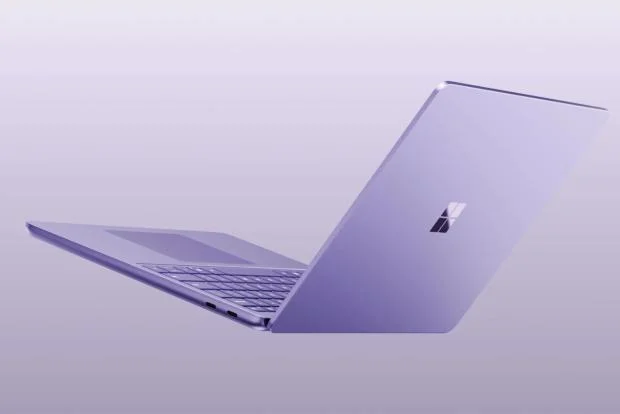
Microsoft clarifies why AMD processors are absent from current Surface laptops
The Surface lineup currently features Intel processors, Qualcomm Snapdragon X2 chips, and upcoming NVIDIA RTX Spark silicon. AMD processors were previously available in the Surface Laptop 3 and Surface Laptop 4 models released in 2019 and 2021 respectively. Microsoft removed AMD options starting with the Surface Laptop 5 generation. Brett Ostrum, Microsoft Surface CVP, explained the strategy directly to Windows Central. He stated, "We love working with AMD. We have a limited portfolio, and so we have to make our choices pretty wisely in terms of what we're doing and where we're doing it."
AMD continues to power all current Xbox consoles and the next-generation Xbox hardware. The company is also developing an Arm-based chip codenamed 'Sound Wave' with a target power consumption of less than 10 watts. Industry expectations place the release of this chip in 2026. Leaks have linked the Sound Wave processor to future Surface devices, but Microsoft has not confirmed this integration. The current Surface devices rely on established x86 and Arm architectures from Intel, Qualcomm, and NVIDIA.
Our editorial desk tracks Surface releases closely, including recent reports on the Microsoft Surface Pro 12-inch 'Cabo' launching with Snapdragon X2. The absence of AMD in the current Surface laptops does not reflect a broader abandonment of the chipmaker. Microsoft maintains a working relationship with AMD for other product lines. Buyers looking for AMD-powered laptops should look outside the Surface family for now. The company's portfolio strategy dictates these specific hardware pairings.
Source: TweakTown


Discussion
0 comments