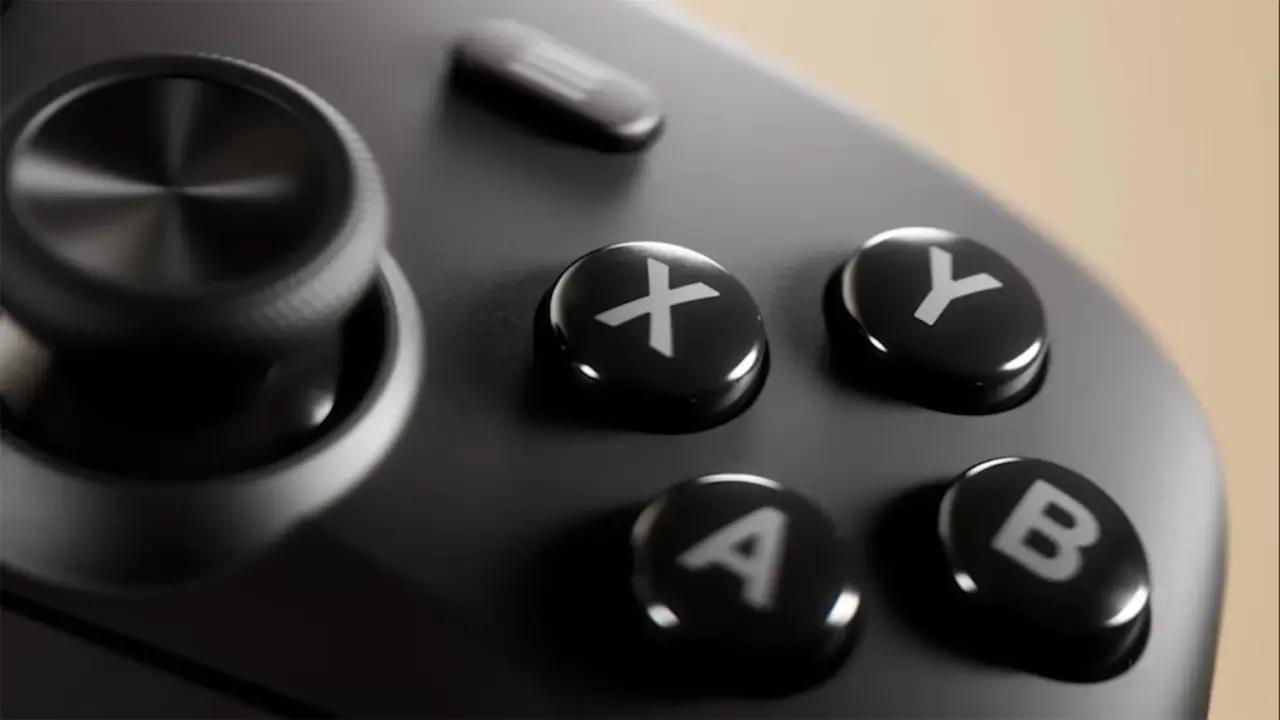
Valve has moved a critical piece of hardware compatibility into the main SteamOS codebase, bringing NVIDIA GPU support closer to reality for PC gamers. This shift matters because it removes a major technical barrier that has kept many users on Windows, allowing them to run their existing game libraries on a Linux-based system without dual-booting. The change signals a tangible step toward a unified gaming ecosystem, though users should expect a gradual rollout rather than an immediate fix for all hardware.
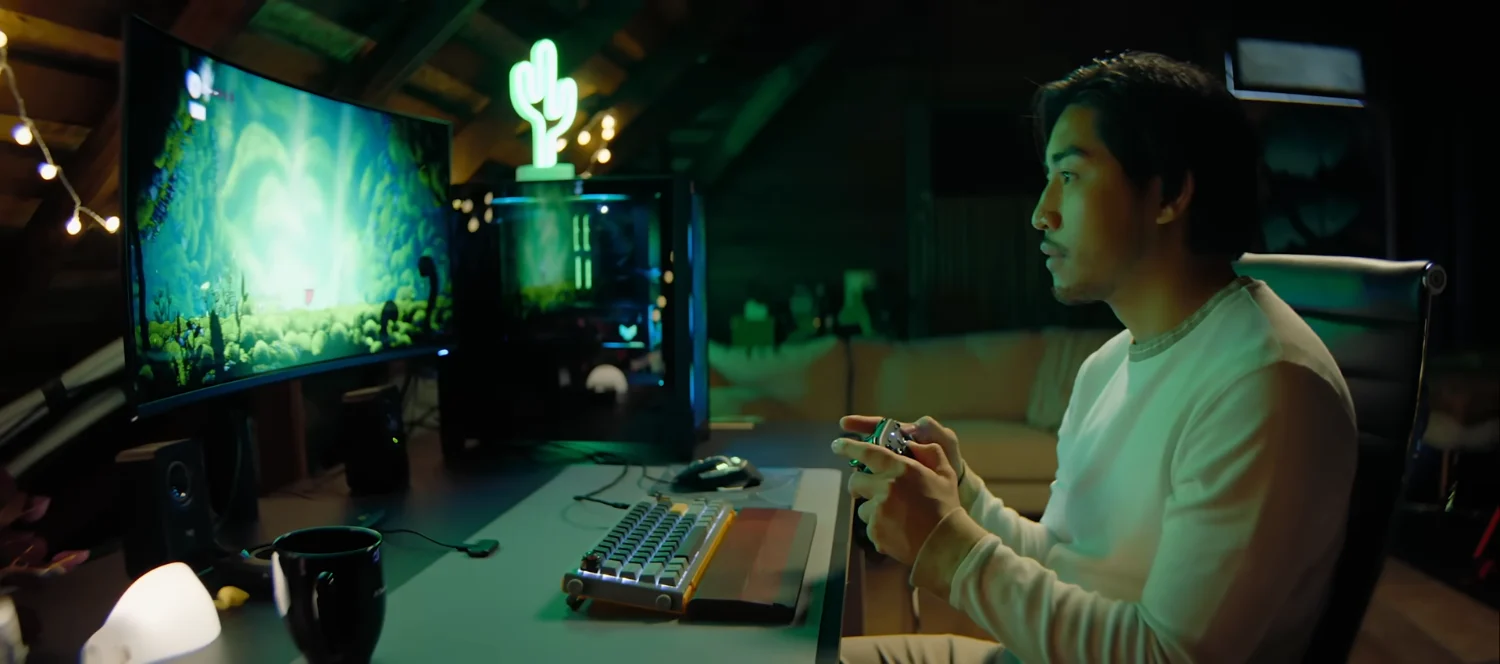
Valve merges the proprietary Linux driver into the main codebase while acknowledging a multi-year path to full optimization
The core of this update involves the NVIDIA proprietary Linux driver, which Valve has now merged into the primary SteamOS tree. Previously, support for these graphics cards was fragmented or required manual configuration, creating a friction point for desktop and handheld users alike. By integrating the driver directly into the main branch, Valve aims to streamline the installation process and ensure that updates to the operating system include necessary graphics fixes automatically.
Developer Pierre-Loup Griffais provided context on the current state of the software, noting that while the driver is functional, it remains limited to specific NVIDIA GPU generations. He emphasized that the performance gap between the current implementation and the industry standard is still visible, though he described the situation as improving daily. The delay in full compatibility stems from the complex task of integrating custom SteamOS layers, such as Gamescope, with NVIDIA's proprietary code, a process that requires extensive testing to avoid system instability.
Users hoping for immediate, flawless support on all modern NVIDIA cards should temper their expectations, as full optimization is a long-term project. Estimates suggest that complete support may not arrive until next year or potentially as late as 2028, depending on the pace of driver development. We looked at the last SteamOS update earlier while tracking these changes, and the focus on balance and stability remains consistent with Valve's cautious approach to hardware integration.
This update confirms that NVIDIA support is technically active within SteamOS, marking a definitive end to the period where it was entirely absent. The path forward involves incremental performance gains and broader hardware compatibility over time, rather than a single patch that solves all issues. Gamers can now access their NVIDIA hardware on SteamOS, but they should prepare for a multi-year journey to reach full parity with Windows.
Source: TweakTown

Discussion
0 comments