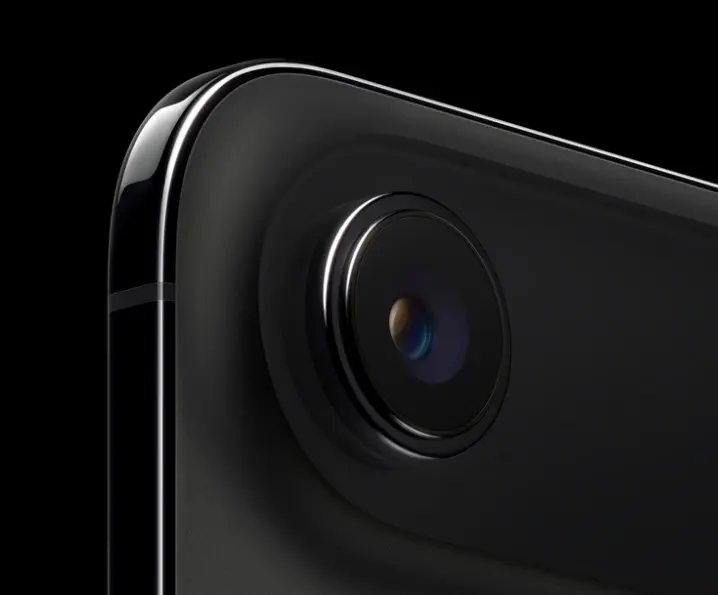
Apple’s trade-in program places iPhone Air owners in a difficult financial position, as the device’s resale value fails to reflect its premium launch price. This discrepancy matters because it effectively penalizes early adopters who paid top dollar for a phone that now trades for less than the standard iPhone 17. Buyers looking to upgrade will find that the financial incentive to switch from an Air to a newer model is significantly weaker than for other iPhone variants.
Resale gap penalizes early adopters who paid premium for device
The valuation gap centers on the iPhone Air, which launched at $999, compared to the vanilla iPhone 17, which launched at $799. Despite the $200 price difference at retail, Apple assigns both devices an identical trade-in value of $585. This pricing structure suggests that the market perceives the Air's hardware features as having little additional resale worth compared to the base model.
The iPhone Air lacks several hardware components found in higher-tier models, including secondary camera lenses, stereo speakers, and reduced battery capacity. These omissions likely contribute to the lower trade-in valuation, as the device does not offer the same durability or performance longevity as the Pro lineup. The Pro Max retains the highest trade-in value at up to $885, highlighting the premium placed on advanced features in the secondary market.
Market data reinforces the disconnect between the Air's pricing and its consumer appeal. Counterpoint Research reports that the iPhone 17 was the best-selling device globally in Q2 2026, while the iPhone Air did not rank in the top ten. This sales performance indicates that consumers prioritize the value proposition of the standard iPhone 17 over the Air's specific feature set.
Source: NotebookCheck
Discussion
0 comments