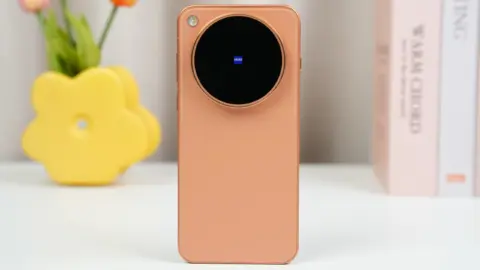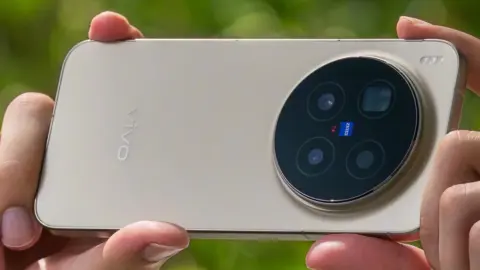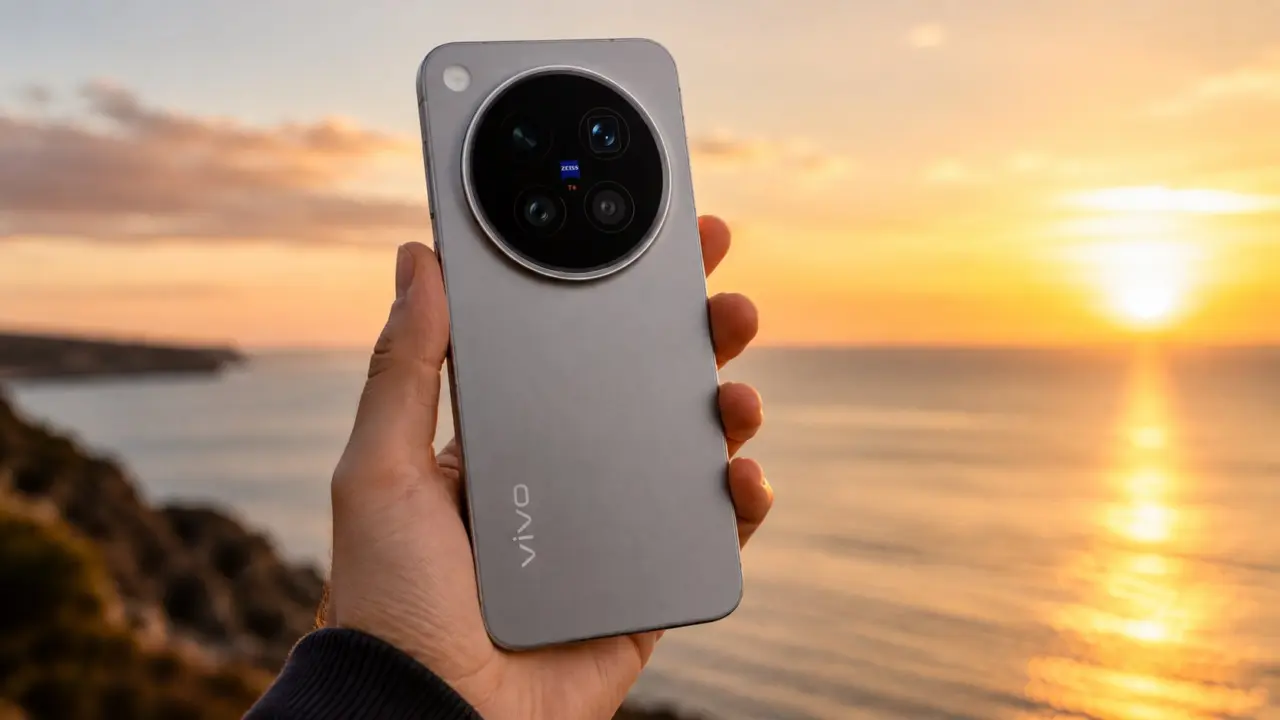
Vivo is preparing to ship the X500 Pro Max with a camera system that aims to fix the blown-out highlights and crushed shadows that ruin sunset portraits on most phones. The device relies on a new sensor technology that captures more light detail without the power drain that usually kills battery life during video recording. Buyers who shoot in high-contrast environments should pay attention to these hardware changes before the launch.
New sensor cuts 4K power use while boosting highlight detail
The core of this camera upgrade is the Sony Lytia L910 sensor, which Vivo calls a "Super Dynamic Zeiss main camera." This hardware uses LOFIC technology to manage light intake in a way that standard sensors cannot. The company positions this as a direct improvement over current flagship camera modules that struggle with dynamic range.
- Sensor: Sony Lytia L910
- Dynamic Range: 17EV (advertised), 18EV (theoretical max)
- Full Well Capacity: 250e
- Readout Noise: 0.75e
- Energy Consumption: 30% lower in 4K recording
Vivo claims the sensor delivers an advertised 17EV dynamic range in real-world use, with a theoretical maximum of 18EV. The sensor achieves this with a Full Well Capacity of 250e, which is significantly higher than the 150e found in competing technologies. Readout noise sits at a low 0.75e, compared to the 1.5e to 2e typical of comparable sensors.
The device also cuts energy consumption by 30 percent when recording in 4K resolution. Vivo states that this efficiency gain allows for longer shooting sessions without overheating or draining the battery. The company expects to launch the phone in global markets, including Europe, shortly after the IFA event.
We've been tracking Vivo X500 Pro Max closely — see our earlier coverage on Vivo X500 Pro Max leak reveals. Han Boxiao, a product manager at Vivo, described the technology as exciting and confirmed that the 17EV dynamic range is achievable in practice. The specific smartphone used in Vivo's comparison videos remains undisclosed.
Source: NotebookCheck