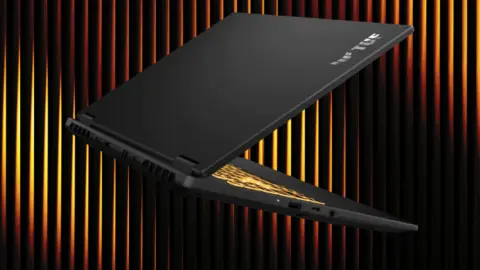
Acer has updated its Predator Helios Neo 16 gaming laptop with faster processors and newer graphics cards. This refresh matters because it brings the latest Intel and Nvidia silicon to a mid-range chassis at a more accessible price point than previous flagship models. Gamers and creators looking for a balance of power and portability now have a new option that avoids the extreme costs of top-tier machines.
New gaming laptop balances power and portability with updated internals
The new laptop features a 16-inch display with a 2.5K resolution and a 240 Hz refresh rate. Acer uses an IPS panel that offers 500 nits of brightness, which provides good visibility without the burn-in risks of OLED screens. The device runs on Intel Panther Lake HX processors, specifically the Core Ultra 9 290HX Plus in the top configuration.
Specifications
- CPU: Intel Core Ultra 9 290HX Plus
- GPU: Nvidia GeForce RTX 5080 (16 GB VRAM)
- Display: 2.5K IPS, 240 Hz, 500 nits
- RAM: 32 GB
- Storage: 1 TB SSD
Under the hood, the Core Ultra 9 290HX Plus pairs with Nvidia GeForce RTX 5080 graphics featuring 16 GB of VRAM. Benchmarks suggest this new CPU delivers about 11% higher performance than the previous Core Ultra 9 275HX. The system supports up to 32 GB of RAM and includes a 1 TB SSD for storage, ensuring plenty of space for large game libraries and projects.
Powering the machine is a 92 Wh battery, which Acer supports with a 330 W AC adapter. The laptop is available now in the US and UK markets. In the UK, the RTX 5080 model costs 3099 GBP (around $4,173). US pricing starts at $2,399 for a variant with the Core Ultra 7 and RTX 5070, while a Micro Center exclusive offers the Core Ultra 9 and RTX 5070 Ti for $2,499.
We looked at similar gaming laptop releases earlier while tracking the shift to Panther Lake processors. The updated Predator Helios Neo 16 is positioned between Acer's entry-level Nitro series and its premium Predator Helios lineup. This positioning makes it a practical choice for users who want high refresh rates and strong CPU performance without paying for the most expensive components available.
Source: NotebookCheck