GAMES The Coalition Promises Next Gears of War Won’t Take Seven Years to Develop AMD Modder releases native PC port of P.T. teaser, bypassing emulation with C++ and Vulkan STEAM Dead of Darkness 2 announced for PS5, Xbox Series, Switch, and PC CONSOLES Retro Remake SuperStation One Transparent Collection sells out despite dropping Wi-Fi, NFC, and 75% of storage GAMES Yoko Taro Says Drakengard Was His Career Peak, Continues Working to Prevent Dementia GAMES Arc Raiders bans cheaters permanently ahead of October 8 update STEAM Voices38 cracks Rebellion’s Atomfall Denuvo DRM despite active U.S. federal lawsuit PLAYSTATION 5 Forza Horizon 6 Datamine Suggests Physical Disc and PlayStation 5 Release NINTENDO SWITCH Arcade Archives Fighting Golf launches October 8 for $9.99 on PS5 and Xbox Series AMD HP ZBook Ultra G3a workstation launches in Japan with up to 128 GB RAM and 120 Hz display INTEL Lenovo IdeaPad Slim 3i 15 launches in North America with 120 Hz display and $1,049 price tag STEAM Deadlock Hits 236,000 Peak Players as Valve Adds Baba to City Never Sleeps Update GAMES Resident Evil Requiem DLC to focus on Spencer, with Veronica and RE1 remakes in development GAMES Garry’s Mod creator admits s&box launch was a failure that burned bridges

Nintendo Wii and DS Born From GameCube Sales Struggles, Says Miyamoto

Lena Fischer 1 min read

Shigeru Miyamoto says the Nintendo Wii and DS emerged as strategic corrections to the GameCube's poor sales, prioritizing accessibility over raw power.

Nintendo Wii and DS Born From GameCube Sales Struggles, Says Miyamoto
CONSOLES

changed its hardware strategy after the GameCube failed to gain strong market traction. This strategic change explains the transition from high-performance specifications to motion controls and broader accessibility. Those interested in console history now have a clear view of how past performance issues shaped future designs.

Executive confirms hardware pivot followed consumer demand

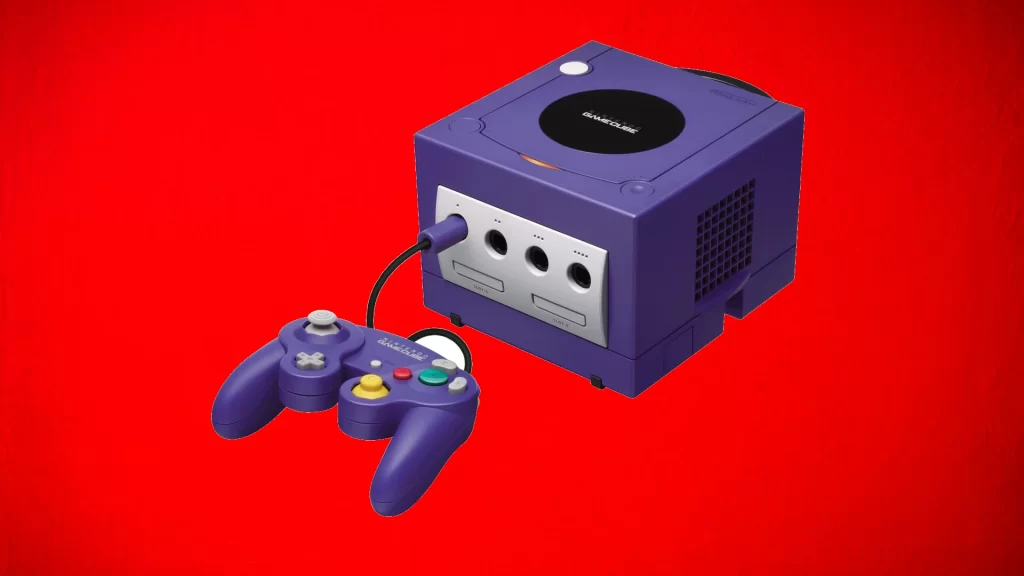
The Nintendo Wii and Nintendo DS emerged as direct responses to the GameCube's commercial limitations. Shigeru Miyamoto stated that the poor sales performance of the GameCube inspired this new direction. The narrative frames these two devices as strategic corrections rather than isolated product launches.

Miyamoto aligns with former president Satoru Iwata on the assessment that the GameCube's market reception was insufficient. Their shared perspective suggests that hardware direction should follow consumer demand rather than technical ambition alone. This alignment underscores the internal consensus that drove the pivot to the Wii and DS.

The strategic shift prioritized reaching a wider audience over competing on raw processing power. Nintendo focused on innovative input methods and portable gameplay to differentiate its offerings. This approach redefined the company's identity in the console market for years to come.

Source: Insider Gaming