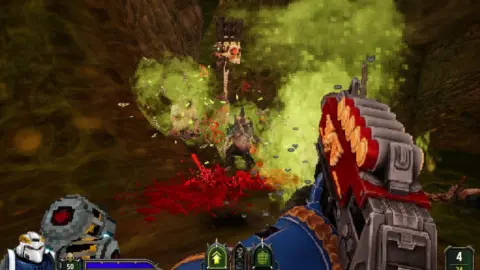
Valve is currently hosting Steam Next Fest, a major digital event that allows players to test upcoming titles before their official release. The festival provides a centralized space for developers to showcase their work and for gamers to discover new experiences. This year's edition highlights a growing tension between traditional game development and emerging artificial intelligence tools.
Generative AI content floods lineup, sparking debate among players
The event features a large volume of game demos from independent studios and larger developers alike. Participants can download and play these builds to provide feedback and gauge market interest. The structure of the festival remains focused on community engagement and direct player interaction.
A notable shift in this year's lineup is the significant increase in games and art assets generated by generative AI. Developers are increasingly using these tools to create visual content and potentially entire game experiences. This shift contrasts with the traditional manual development methods that have long characterized the gaming sector.
Some observers view the presence of generative AI content negatively, contrasting this sentiment with the general appreciation for the event itself. The surge of AI-generated content has triggered discussions within the community about authenticity and the value of creative effort. This divide suggests that while the platform remains popular, the methods behind content creation are under scrutiny.
The event remains a vital platform for independent developers to connect with a worldwide audience. Participants can still anticipate a varied selection of both conventional and experimental game titles. Continuing conversations about AI usage are likely to shape how future events handle content submissions and manage community expectations.
Source: Insider Gaming