The video game industry faces a structural pricing dilemma that threatens to stall innovation. Bulkhead executive producer Joe Brammer argues that current game prices are too low to sustain rising development costs. This imbalance forces studios to recycle assets and ideas rather than creating new experiences. Buyers should note that this commentary highlights a potential shift in how major titles are valued in the market.
Developer Joe Brammer criticizes Rockstar and Take-Two for missing a chance to raise price standards with GTA VI
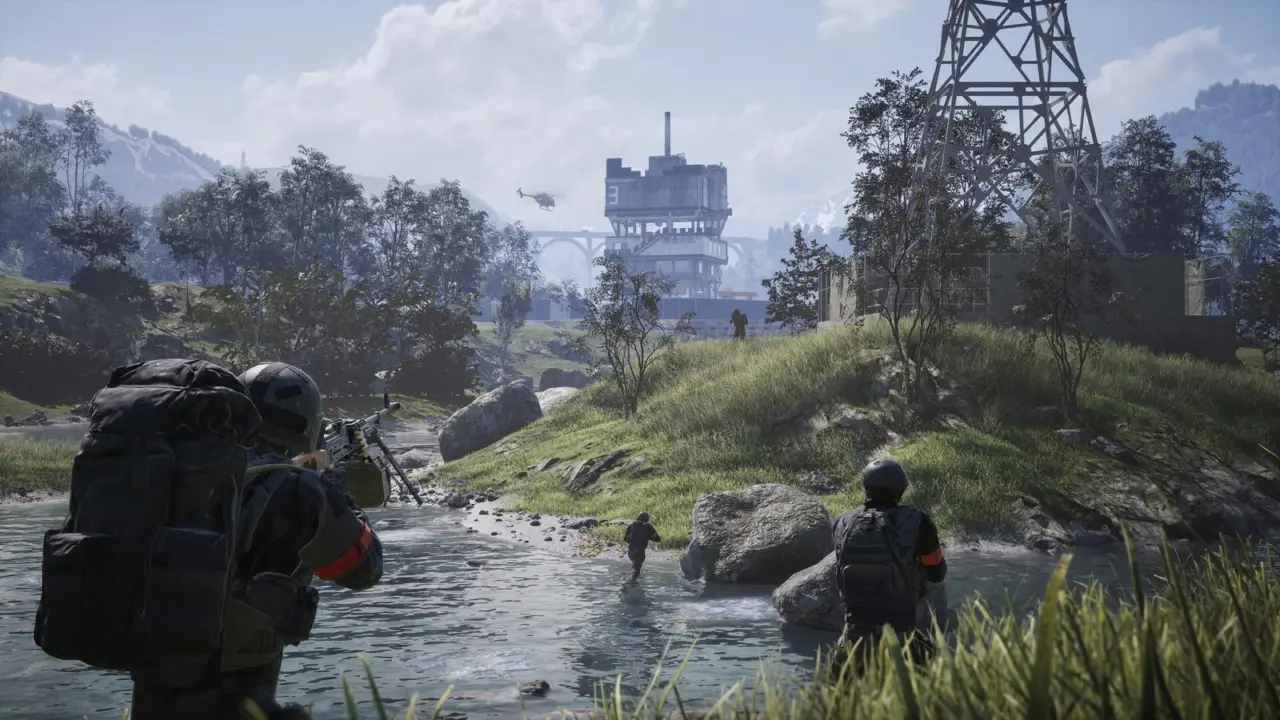
Brammer positions his studio, Bulkhead, as a case study for the economic pressures facing modern developers. He suggests that the industry is stuck in a cycle of incremental updates because the revenue model is broken. The studio is preparing to release its title, WARDOGS, amid this broader industry debate. This context frames the upcoming launch not just as a product release, but as a statement on industry economics.
The core of Brammer's argument rests on the disparity between production expenses and consumer pricing. He notes that development costs have climbed significantly while game prices have remained stagnant. This gap makes it difficult for studios to justify the risk of high-budget projects. The argument implies that without higher price points, the industry will continue to produce similar content.
Brammer uses a specific personal expense to illustrate the absurdity of current pricing structures. He compares the cost of a one-way train ticket in the UK to the price of his own game. The train fare is listed at 30 pounds, while WARDOGS is priced at 36.99 pounds. This comparison serves to highlight how expensive everyday items have become relative to entertainment software.
The executive specifically criticizes Rockstar Games and its parent company, Take-Two Interactive, for their pricing strategy. He believes they missed a critical opportunity to raise the standard for major releases with GTA VI. Brammer argues that a flagship title like GTA VI could have established a new, higher price tier. This criticism targets the market leader's decision to maintain current price points despite inflation and increased costs.
Source: IXBT



Discussion
0 comments